How to Choose the Right Veterinarian in Laredo
How to Choose the Right Veterinarian in Laredo: A Guide for Pet Owners and Producers
Choosing a veterinarian is one of the most important decisions you make, whether you have pets at home or manage livestock and horses on your operation. In Laredo and surrounding communities, animal health needs are as diverse as the region itself. From routine wellness exams for cats and dogs to herd health checks for cattle and horse care in the barn, selecting a mixed-animal clinic like Rio Grande Veterinary Clinic means finding a partner who truly understands the needs of both pet owners and producers. Located at 3311 East Del Mar Blvd Suite 201, Laredo, TX 78041, our practice combines in-clinic and mobile veterinary services to offer comprehensive care for your entire animal family. This guide will help you understand what to look for in a veterinarian, why community-focused care matters for all species, and how to keep your animals healthy year-round in South Texas.
Whether you are searching for a trusted veterinarian for your pets, need reliable mobile service for your cattle, or want an equine veterinary team to support your horses, knowing how to evaluate a mixed-animal clinic is key. Let’s explore the essential factors that help ensure you and your animals receive the best care possible in Laredo.
Recognizing When You Need a Veterinarian: Pets, Livestock, and Horses
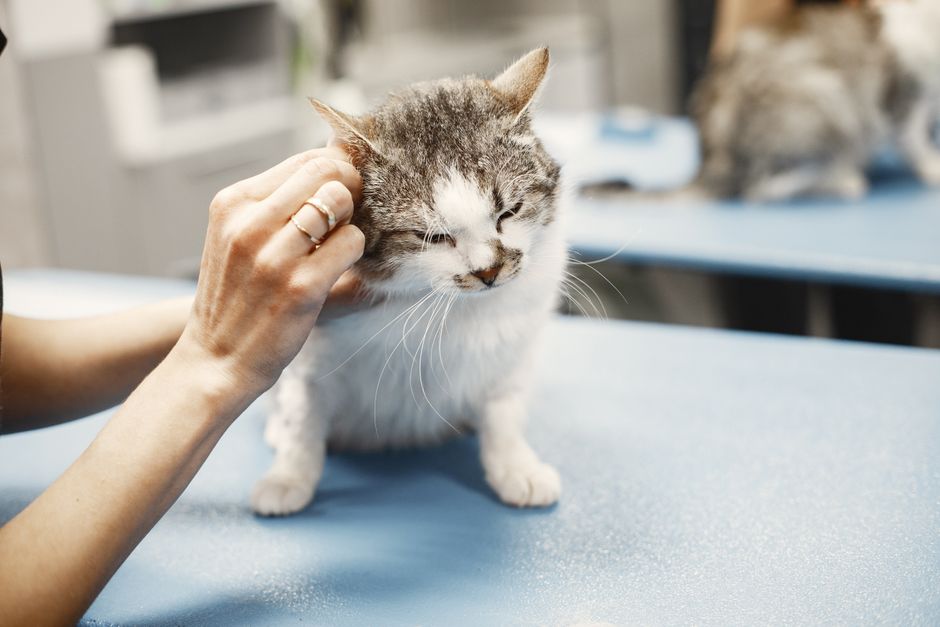
Understanding when to seek veterinary care is the first step to keeping animals healthy. For pet owners, signs that a visit to the veterinarian is needed include changes in appetite, unexplained weight loss, lethargy, coughing, or skin issues. Cats may start hiding or neglecting their grooming, while dogs might limp or show discomfort during daily activities. For producers, watch for cattle or other livestock with sudden drops in production, abnormal behavior at the feed bunk, lameness, coughing, or changes in body condition score. Horses may display signs such as colic symptoms, reluctance to move, changes in manure production, or sudden shifts in temperament.
Routine wellness checks and preventive care are also critical, even if your animals appear healthy. Scheduling regular wellness examinations for pets, herd health checks for cattle, and soundness exams for horses can help catch early signs of illness before they become serious problems. In Laredo, regional factors such as heat stress, parasite pressure, and seasonal infectious disease risks make ongoing veterinary guidance especially valuable.
What Makes a Great Mixed-Animal Veterinarian?
Choosing the right veterinarian in Laredo means finding a clinic that offers expertise across a broad spectrum of animal species and understands the unique challenges of the local environment. Mixed-animal clinics like Rio Grande Veterinary Clinic provide a rare combination of services, from pet vaccinations and dental care to livestock herd health, cattle palpations, equine dental floats, and more.
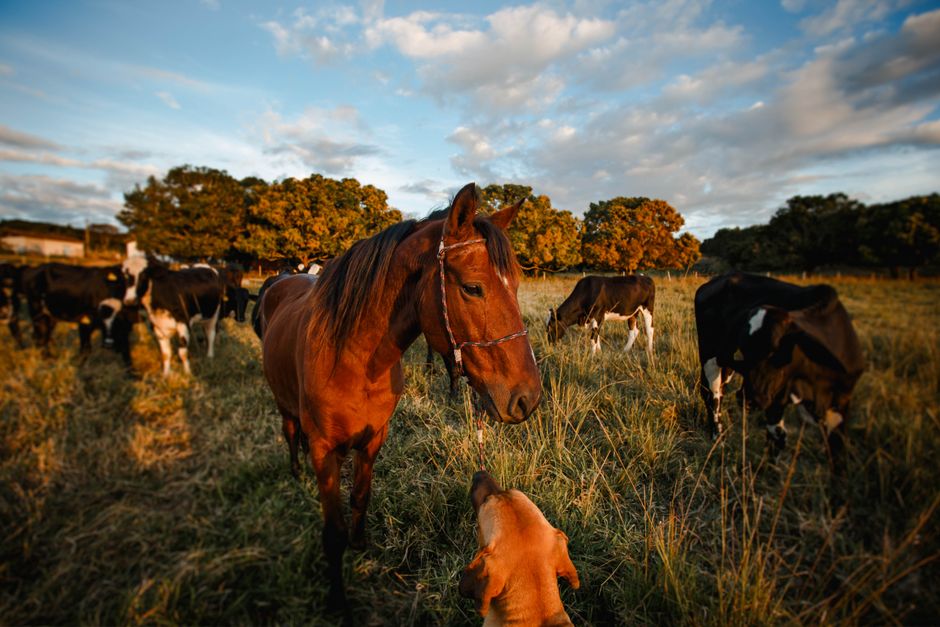
A great veterinarian will have experience treating dogs and cats, as well as cattle, horses, goats, and other livestock. The veterinary team should be comfortable providing both in-clinic appointments and on-farm visits, offering flexibility that fits the realities of ranch life and busy family schedules. Look for a clinic that invests in diagnostic technology, provides up-to-date vaccination protocols, and offers both preventive and urgent care for all species.
Community-focused care is another hallmark of an excellent mixed-animal practice. The best clinics are committed to supporting both pet owners and producers, educating clients on regional health challenges, and building relationships that last through every stage of animal ownership or operation management. You can learn about our veterinary team, including Dr. Victor Lopez, who brings extensive experience in mixed-animal medicine to the Laredo area.
Causes and Challenges: Why Mixed-Animal Care Matters in Laredo
South Texas presents unique challenges for animal health. The warm climate fosters year-round parasites such as ticks and flies, while seasonal rains can increase the risk of infectious disease outbreaks. For pet owners, allergies and dermatological issues are common, especially in spring and summer. Producers contend with heat stress in cattle, calving complications, and the need for effective vaccination programs to protect herds from diseases like brucellosis and trichomoniasis. Horse owners must watch for colic risks as temperatures fluctuate and adapt to pasture changes that can trigger laminitis or nutritional imbalances.
Mixed-animal clinics must understand these local factors to provide relevant care. In addition to in-clinic services, the ability to offer mobile farm calls means your animals receive timely attention without the stress of transport. Whether you are preparing for calving season, managing a barn full of horses, or keeping your pets up to date on vaccines, a veterinarian with local knowledge makes a measurable difference.
Treatment and Management: What to Expect from Your Veterinarian
The right veterinarian offers a range of treatment options tailored to the species and situation. For pets, this includes diagnostic examinations, dental cleanings, oral surgery, vaccinations, microchipping, and treatment of skin or allergy conditions. When health concerns arise, services like diagnostic pet examinations help identify underlying issues quickly, allowing for prompt intervention.
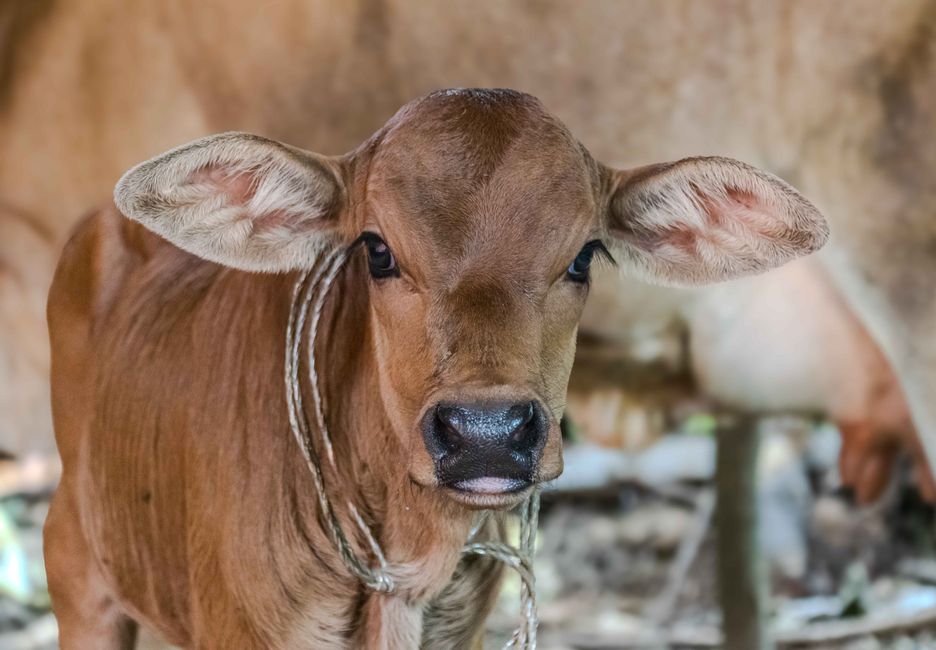
For cattle, essential offerings include herd health programs, pregnancy checking, calf pulls, brucellosis and trich testing, and general medicine. Producers benefit from services such as general veterinary medicine for cattle and cattle vaccination programs that help reduce disease risk and improve productivity. Horses require specialized care, including dental floats, Coggins testing, piroplasmosis screening, and preventive equine vaccines.
A reliable mixed-animal clinic will also provide emergency support for surgeries, wound care, and acute medical issues. The veterinary team should communicate clearly about diagnosis, treatment plans, and follow-up care, ensuring you understand every step whether you are managing a pet’s recovery at home or overseeing a herd’s health in the pasture.
Preventive Care and Home/Farm Management Tips
Prevention is the cornerstone of animal health, and working closely with your veterinarian helps you develop a long-term wellness plan. For pet owners, this means keeping up with annual exams, core vaccinations, flea and tick prevention, heartworm testing, dental hygiene, and monitoring for age-related changes. Routine vaccination services are essential for protecting dogs and cats from common infectious diseases found in Laredo and throughout South Texas.
Producers should focus on herd vaccination schedules, parasite control strategies, nutritional management, and biosecurity measures to minimize disease introduction. Regular herd health evaluations allow for early detection of problems, improving outcomes and protecting your operation’s bottom line. Horse owners can support health by scheduling dental floats, updating vaccines before show or breeding season, monitoring for lameness, and ensuring proper hoof care.
At home, keep your pets’ living areas clean, provide fresh water, and maintain a healthy diet. On the farm, ensure livestock have access to shade, adequate nutrition, and clean water, particularly during the hot months. Attention to these practical details, backed by professional veterinary guidance, goes a long way toward preventing illness and promoting animal wellbeing.
When to Seek Veterinary Care: Knowing the Right Time
There are moments when immediate veterinary attention is essential. For pets, seek care without delay if you notice difficulty breathing, persistent vomiting or diarrhea, seizures, sudden collapse, or traumatic injuries. For livestock, warning signs include calving difficulties, severe lameness, sudden herd illness, or unexplained deaths. Horse owners should call for help with signs of colic, laminitis, significant wounds, or if a horse is unable to stand.
When in doubt, err on the side of caution and contact your veterinary team. Early intervention often leads to better outcomes, reduces suffering, and can prevent the spread of disease within a herd or stable. A local veterinarian who knows your animals and understands the specific risks faced in Laredo is an invaluable resource during urgent situations.
Building a Lasting Relationship with Your Laredo Veterinarian
The best animal health outcomes come from long-term relationships built on trust, communication, and mutual respect. Whether you are a pet owner seeking compassionate care for a family dog, a producer managing a herd, or a horse owner navigating seasonal challenges, working closely with a dedicated mixed-animal veterinary team is the key to success.
Rio Grande Veterinary Clinic takes pride in serving both families and producers in Laredo and surrounding communities. Our comprehensive veterinary services are designed to meet the needs of every species under your care, from the household cat to the largest bull in the pasture. We offer preventive programs, routine care, emergency support, and mobile farm visits to ensure your animals receive attentive, expert care year-round.
Take the Next Step: Find the Right Veterinarian Near You
Choosing a veterinarian is about more than convenience; it’s about finding a partner who values your animals’ health as much as you do. When searching for a veterinarian near me in Laredo, look for a mixed-animal clinic with a strong local reputation, broad expertise, and a genuine commitment to both pet owners and producers.
If you are ready to schedule an appointment for your pet, arrange a farm call for your herd, or consult about your horse’s health, the Rio Grande Veterinary Clinic team is here to help. Reach out to our veterinarians at (956)-508-8900 or visit us at 3311 East Del Mar Blvd Suite 201, Laredo, TX 78041 to discover why so many local families and producers trust us with their animals’ care. Explore our full range of veterinary services and experience the difference a community-focused veterinarian makes in every season.
Disclaimer: This blog is for informational purposes only and does not replace professional veterinary advice. Always consult your veterinarian for specific animal health concerns.