What to Expect at a Mixed Animal Hospital in Laredo
What to Expect at a Mixed Animal Hospital in Laredo
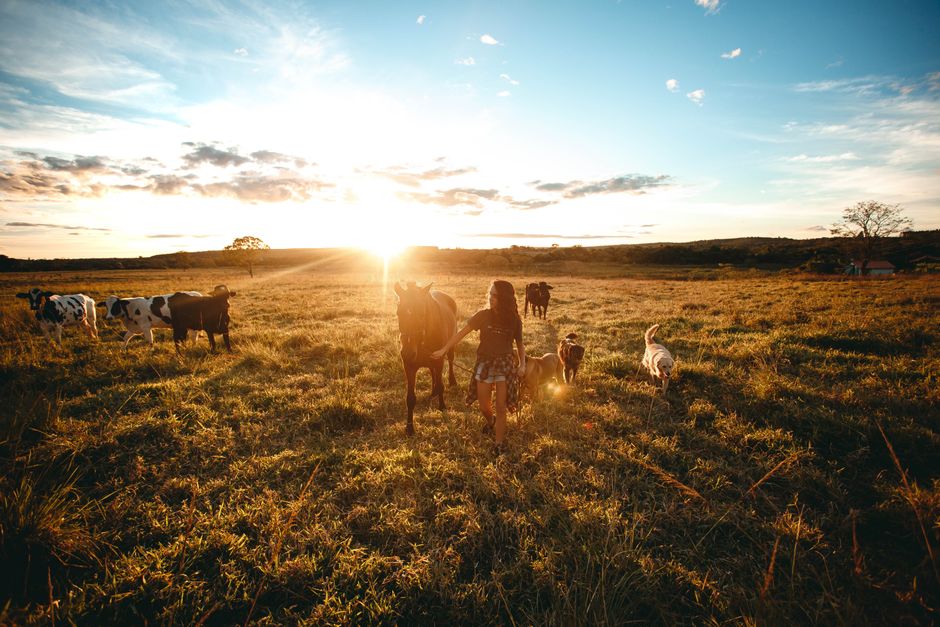
When you care for animals—whether that means a beloved house cat, a loyal ranch horse, or an entire herd of cattle—you want veterinary care that adapts to your unique needs. At Rio Grande Veterinary Clinic, our mixed animal hospital in Laredo is designed to support both pet owners and producers with a wide range of services for dogs, cats, cattle, horses, goats, and more. From routine wellness appointments for your pets to on-farm herd health programs and emergency surgeries, our veterinary team is dedicated to serving the animal health needs of Laredo and surrounding communities. In this blog, we’ll walk you through exactly what you can expect at a mixed animal hospital, how our approach benefits every member of your animal family, and what makes Rio Grande Veterinary Clinic a trusted partner in keeping your animals healthy.
Whether you’re scheduling a wellness examination for your pet or organizing herd vaccinations before the next calving season, knowing what services are available and how care is delivered can help you make the best decisions for your animals. We’ll explore common signs that indicate when it’s time to seek veterinary care, discuss the causes behind many health issues we see in South Texas, describe treatment and management options for pets and livestock, and share tips for prevention and ongoing care. Throughout, you’ll see how our community-focused animal hospital in Laredo connects expertise with compassion—right where you need it, whether in our clinic or out on your ranch.
Recognizing When to Seek Care at a Mixed Animal Hospital
For Pet Owners: Signs Your Dog or Cat Needs Veterinary Attention
Early recognition of health concerns in pets can make a significant difference in outcomes. Common signs that your dog or cat might need a visit to our animal hospital include changes in appetite or thirst, vomiting or diarrhea, sudden weight loss or gain, coughing, sneezing, or nasal discharge, persistent itching or skin lesions, limping or reluctance to move, and changes in behavior such as hiding or aggression. Additionally, dental issues like bad breath, drooling, or difficulty eating often signal oral health problems. If you notice any of these symptoms, our veterinary team recommends not waiting—many conditions are easier to treat when caught early.
For Producers: Monitoring Herd and Flock Health
For cattle, horses, sheep, goats, and other livestock, prompt identification of health problems protects both animal wellbeing and your bottom line. Warning signs in livestock include decreased feed intake, reduced milk or weight gain, coughing or nasal discharge, lameness, abnormal manure, swollen joints, or sudden deaths within the group. During high-risk times like calving, foaling, or weaning, vigilance is especially important. Our veterinary professionals also recommend regular herd health evaluations, which allow us to spot subtle issues before they impact production.
For Horse Owners: Key Indicators in Equine Health
Horse owners know their animals’ routines and personalities best. Signs that your horse may need veterinary care include colic symptoms (such as rolling, pawing, or looking at the abdomen), lameness, coughing or labored breathing, nasal discharge, poor body condition, dental problems (like dropping feed or head tossing), or wounds that won’t heal. Regular soundness exams and dental floats are also essential for performance and pleasure horses alike.
Understanding the Causes: Why Animals in Laredo May Need Veterinary Care
Local Climate and Regional Risks
Living in South Texas brings unique challenges for both pets and livestock. High temperatures and humidity contribute to heat stress, increased parasite loads, and skin conditions. For instance, cattle and horses are prone to ticks, flies, and internal parasites that thrive in our climate. Seasonal storms and flooding can also elevate the risk of infectious diseases and injuries. Dogs and cats may face allergies due to regional plants or mold, while foxtail seeds and grass awns can cause painful abscesses in pets’ ears and paws.
Common Health Issues in Pets, Livestock, and Horses
In pets, common issues we see include infectious diseases like parvovirus and feline leukemia, heartworm disease, dental disease, and allergies. In livestock, respiratory and reproductive diseases, parasite infestations, and nutritional deficiencies are ongoing concerns. Horses in our area frequently deal with colic, lameness, dental issues, and diseases such as West Nile virus or equine infectious anemia. Each of these conditions has underlying causes that range from genetics and age to management practices and environmental exposures.
The Importance of Preventive Veterinary Care
For every species, prevention is far more effective—and cost-efficient—than treating illness after it sets in. Vaccinations, regular deworming, nutritional counseling, and parasite control are all foundational aspects of preventive care at a mixed animal hospital. Our veterinary team works with you to tailor prevention strategies to your animals’ lifestyle, environment, and specific risk factors.
Treatment and Management at a Mixed Animal Hospital: What Services Are Available?
Comprehensive Care for Dogs and Cats
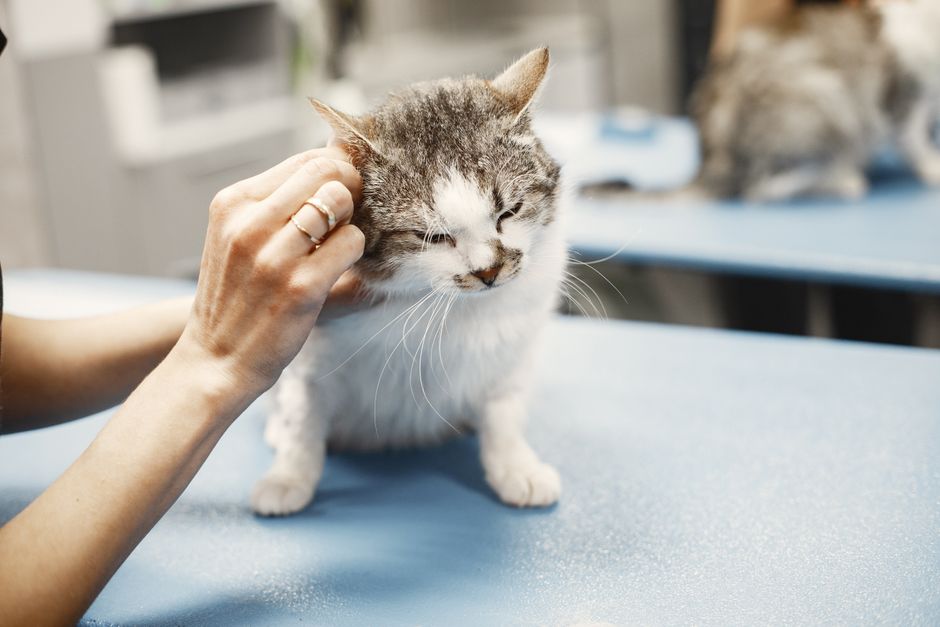
When your pet arrives at our animal hospital, you can expect a thorough examination and individualized care plan. Services include wellness examinations, vaccinations, dental cleanings, diagnostic bloodwork, radiology, and urgent surgical care when necessary. For example, if your dog is struggling with itchy skin, we offer dermatology assessments and allergy management. If your cat is showing signs of dental pain, our team provides dental radiography and tooth extractions as needed.
For ongoing preventive care, our veterinarians recommend annual or semi-annual checkups, updated vaccinations, and routine bloodwork—especially for senior pets. These visits allow us to catch concerns like kidney disease or diabetes early, improving your pet’s quality of life and longevity. If your pet needs urgent help, such as for a suspected fracture or sudden illness, our clinic is equipped for emergency surgeries and diagnostics during regular business hours.
Livestock and Herd Health Services
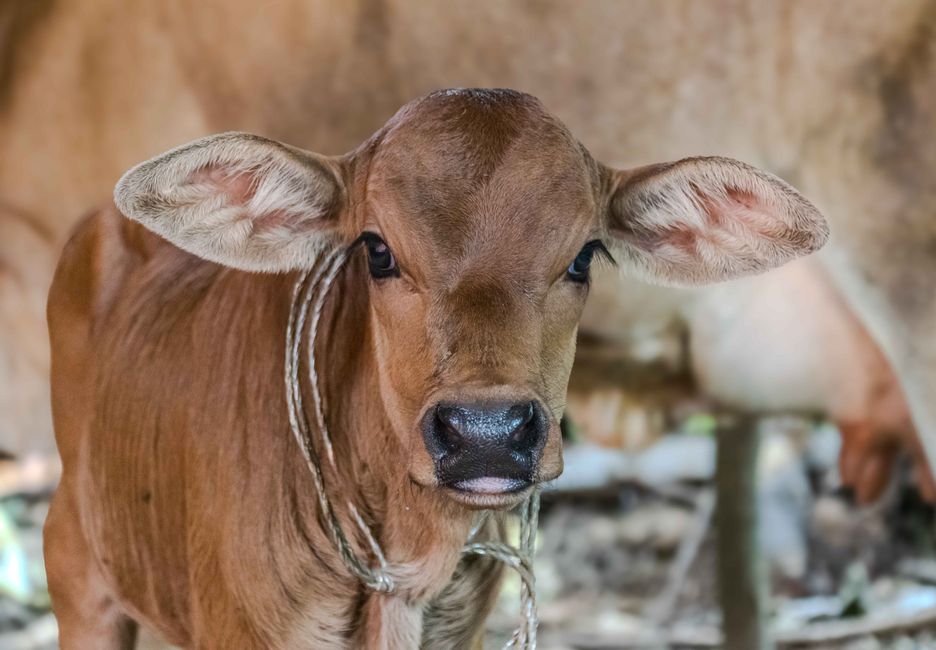
For cattle and other livestock, Rio Grande Veterinary Clinic delivers both in-clinic and on-farm services. Our offerings include herd health evaluations, vaccination programs, reproductive services such as pregnancy checks and breeding soundness exams, and treatment of sick animals. Common procedures involve cattle vaccines, dehorning, castration, parasite management, and export or health certificates.
Our mobile veterinary team brings expertise straight to your operation, minimizing animal stress and handling. Producers can schedule farm calls for routine herd work, sick animal evaluations, or emergency situations such as calving difficulties. We also assist with biosecurity planning, helping you reduce the risk of disease outbreaks on your property. For goats and sheep, services include FAMACHA scoring, fecal testing, and livestock general medicine.
Equine Veterinary Services in Laredo
Horse owners can rely on Rio Grande Veterinary Clinic for preventive and urgent care. Our equine services include vaccinations, dental floats, Coggins testing, lameness diagnostics, wound care, and reproductive evaluations. During a soundness exam, our team assesses your horse’s gait, joints, and hooves, providing recommendations for farrier care or further diagnostics if lameness is identified. Ambulatory services enable us to visit your barn or stable for herd vaccinations, dental care, or emergencies like colic.
Our veterinarians also advise on nutrition, parasite control, and seasonal concerns such as fly management and deworming schedules. Whether you have a performance horse, broodmare, or pasture companion, our goal is to keep your equine partners healthy and ready for their next ride.
Prevention and Home/Farm Care: Keeping Animals Healthy Year-Round
Preventive Steps for Pet Owners
At home, pet owners can support their animals’ health by keeping vaccinations current, maintaining regular flea, tick, and heartworm prevention, and feeding a balanced diet. Watch for changes in appetite, behavior, or grooming habits, as these can signal early illness. Routine dental care, such as tooth brushing and providing dental chews, helps prevent periodontal disease.
Keeping your pet’s environment clean, providing enrichment, and regular exercise also contribute to overall wellbeing. For specific questions about nutritional management or behavior, our veterinarians are here to help create a plan tailored to your pet’s needs.
Herd and Flock Management for Producers
On the farm, effective animal health management hinges on biosecurity, nutrition, and routine preventive care. Steps include providing clean water, rotating pastures to reduce parasite exposure, monitoring body condition scores, and promptly isolating sick animals. Regular vaccination programs and parasite control, coordinated with your veterinarian, are key to minimizing disease risk.
Producers should also implement calving and kidding management plans, maintain accurate records (such as vaccination dates and breeding information), and schedule herd health checks at least annually. Our ambulatory team can assist with developing protocols that fit your operation’s needs, from branding and castration to herd reproductive planning.
Tips for Horse Owners
Horse owners can support equine health by scheduling regular dental floats, maintaining consistent hoof care with a trusted farrier, and adjusting nutrition according to seasonal changes and workload. Keeping stalls and pastures clean reduces the risk of parasites and infectious disease. Watch your horse closely for subtle changes in behavior, appetite, or performance, as these can indicate underlying health issues. Vaccinations and deworming should be tailored to your horse’s age, environment, and risk profile.
When to Seek Veterinary Care: Making the Most of Your Mixed Animal Hospital
Recognizing when to call your veterinarian is essential for timely intervention and positive outcomes. For pets, sudden changes in appetite, activity level, or bathroom habits should prompt a call to the animal hospital. If your cat is straining to urinate, your dog has persistent vomiting, or if any animal has trouble breathing or collapses, seek care immediately.
Producers should contact our veterinary team for sudden deaths in the herd, suspected infectious disease outbreaks, calving or lambing difficulties, or unexplained drops in production. Early intervention during calving season or in response to abnormal behavior can prevent larger losses and improve herd health. Horse owners should reach out for colic symptoms, lameness that worsens, or wounds that continue to bleed or swell.
At Rio Grande Veterinary Clinic, we encourage scheduling an appointment for all non-urgent concerns, whether in our Laredo location or through our mobile services. Our team is here to answer your questions and help you determine the best next step for your animal’s health.
The Community Advantage: Why Choose a Mixed Animal Hospital in Laredo
Choosing a mixed animal hospital like Rio Grande Veterinary Clinic means having a single, trusted resource for every animal on your property. Our veterinary professionals understand the unique challenges faced by both pet owners and producers in South Texas, allowing us to deliver care that’s responsive, practical, and grounded in the realities of local life.
Our relationship-based approach means we get to know your animals and your goals—whether that’s keeping a family dog healthy for years to come, optimizing herd productivity, or ensuring your horse stays sound for work or competition. As your local animal hospital in Laredo, we’re committed to supporting animal health across all species, with an emphasis on preventive medicine, client education, and compassionate care.
If you’re searching for a veterinarian near me who can serve both your pets and livestock, our clinic is ready to help. From wellness examinations for your dog or cat to herd health services for your cattle, goats, or horses, we offer the broad expertise you need—right here in your community.
Ready to Schedule Care? Contact Our Animal Hospital in Laredo
No matter which animals you care for, Rio Grande Veterinary Clinic is here to support your needs with integrity, expertise, and a genuine commitment to animal health. Whether you need to schedule a routine appointment for your pet, arrange a farm call for your herd, or get advice on a horse health concern, our veterinary team is just a phone call away.
To book your next visit or to learn more about our animal hospital in Laredo, reach out to our team at (956)-508-8900 or stop by our clinic at 3311 East Del Mar Blvd Suite 201, Laredo, TX 78041. We are proud to serve Laredo and surrounding communities with both in-clinic and mobile services. If you have questions about preventive care, urgent issues, or want to establish a long-term partnership for your animal family, our veterinarians are ready to help.
Trust Rio Grande Veterinary Clinic as your local animal hospital—because every animal, from house pets to herds, deserves exceptional care.