What Sets a Mixed Animal Hospital Apart in Laredo?
What Sets a Mixed Animal Hospital Apart in Laredo?
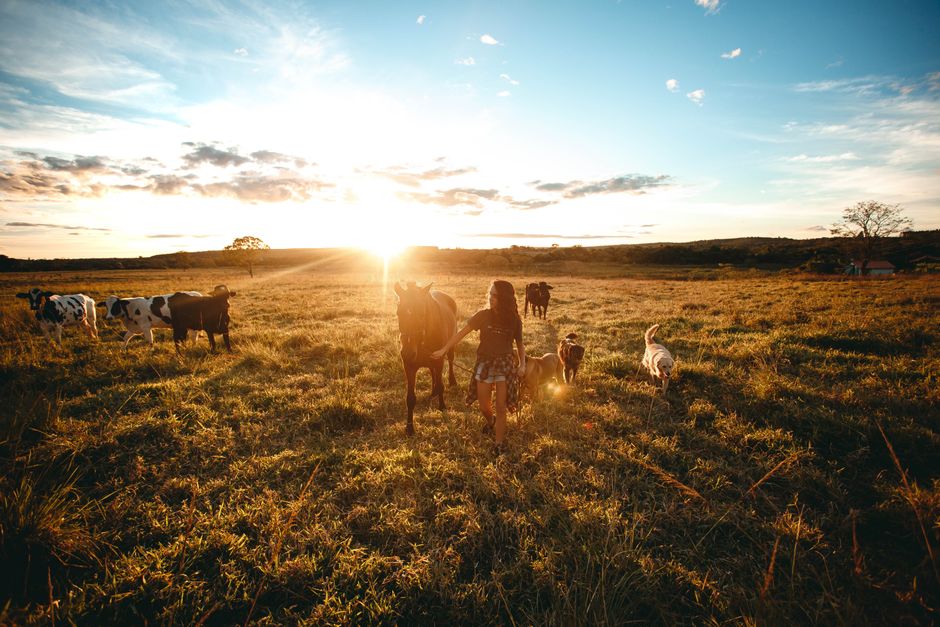
If you live in Laredo or nearby ranching communities, you know that animal care is rarely one-size-fits-all. From city homes with beloved pets to working ranches with cattle herds or barns full of horses, the health needs of our animals are as diverse as the region itself. That’s why finding a truly comprehensive animal hospital in Laredo is so important. At Rio Grande Veterinary Clinic, located at 3311 East Del Mar Blvd Suite 201, Laredo, TX 78041, our team of veterinarians is committed to supporting both pet owners and producers with the highest standard of veterinary care—whether your concerns involve a limping dog, a mare due to foal, or a herd that needs on-farm preventive services. In this article, we’ll explore what makes a mixed animal hospital unique, how our combination of in-clinic and mobile services delivers real value to the community, and what you can expect when you trust your animals to our care.
You’ll discover how a mixed animal hospital in Laredo like Rio Grande Veterinary Clinic bridges the gap between companion and production animal medicine, supports the year-round health of every animal, and offers solutions tailored to your needs—whether you’re scheduling a wellness exam for your cat, planning spring vaccinations for your cattle, or need urgent attention for a sick foal. We’ll cover how to recognize when veterinary help is needed, what causes common health issues in pets and livestock, how our team approaches diagnosis and treatment, and the best ways to keep all your animals thriving in South Texas.
Recognizing When You Need a Mixed Animal Hospital
One of the defining features of a mixed animal hospital is its ability to meet the needs of a wide range of animals, from household pets to large herds. For pet owners, common reasons to visit the animal hospital include noticing changes like decreased appetite, lethargy, limping, or unusual lumps on your dog or cat. Owners may also seek veterinary advice for routine concerns such as vaccinations, dental care, or annual checkups.
For producers and horse owners, recognizing when your herd, flock, or horse needs professional attention can be more complex. Signs such as sudden weight loss in cattle, decreased milk production, coughing or nasal discharge in horses, lameness, difficulty calving, or abnormal behavior in livestock are all indications that it’s time to reach out for help. Additionally, seasonal events like calving, foaling, or weaning can bring specific health challenges where veterinary support is essential.
Producers may notice issues like poor body condition scores, signs of parasite infestation, or reproductive problems in their herd. Horse owners often watch for early signs of colic, hoof problems, or changes in gait. In all these scenarios, having access to a veterinary team skilled in both small and large animal medicine ensures that you get the right expertise, no matter which animal is affected.
Why Do These Health Issues Occur? Understanding the Causes
The causes of health problems in pets, livestock, and horses are as varied as the animals themselves. For companion animals, factors such as aging, poor dental hygiene, underlying allergies, or infectious diseases can lead to symptoms requiring a visit to your local animal hospital. For example, cats and dogs may develop dental disease over time if their teeth are not professionally cleaned, or they may suffer from skin conditions caused by environmental allergens common in South Texas.
In large animal and equine medicine, the background factors are often tied to management, nutrition, herd dynamics, and regional environmental challenges. For instance, cattle in the Laredo area may be at risk for diseases like brucellosis or campylobacteriosis, while horses may develop problems related to pasture quality, parasite load, or seasonal weather shifts. Issues such as poor nutrition, inadequate biosecurity, or insufficient vaccination protocols can make herds and flocks more susceptible to outbreaks or production losses. In horses, improper hoof care or overgrazed pastures may contribute to lameness or laminitis.
Understanding these root causes allows our veterinary team to not only treat current problems but also help prevent future issues through tailored management advice and preventive care programs.
Professional Treatment and Management at a Mixed Animal Hospital
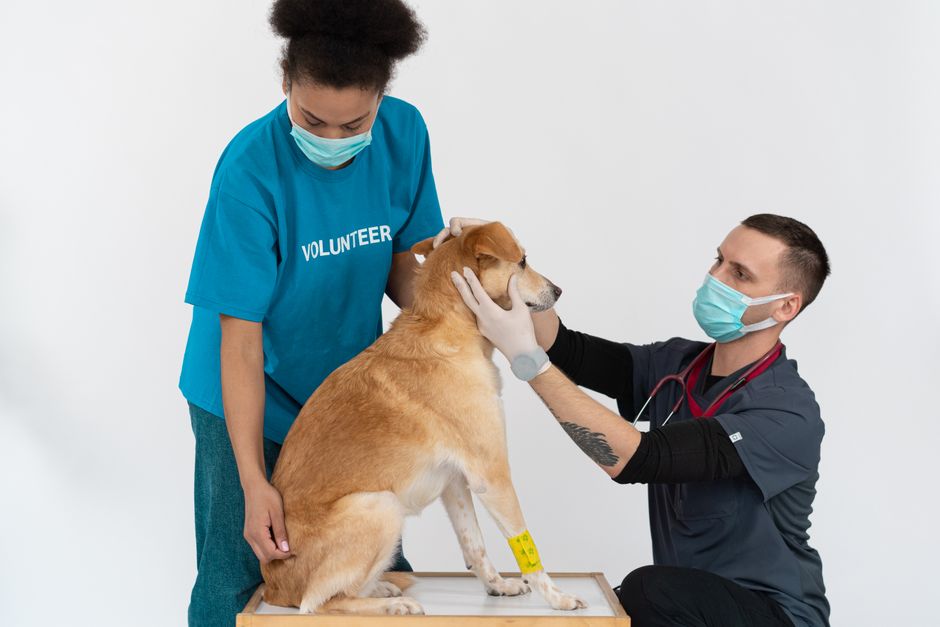
When you bring your animal—whether a family pet, a horse, or a member of your herd—to an animal hospital in Laredo like Rio Grande Veterinary Clinic, you benefit from a team trained in both companion and production animal medicine. For pets, our veterinarians offer diagnostic services such as comprehensive pet examinations, blood work, dental cleanings, radiographs, and surgery. Issues like dental disease, unexplained lameness, or skin allergies can be addressed with advanced diagnostics and targeted treatments. When necessary, we also provide urgent and emergency surgical care, ensuring that your pet receives timely intervention.
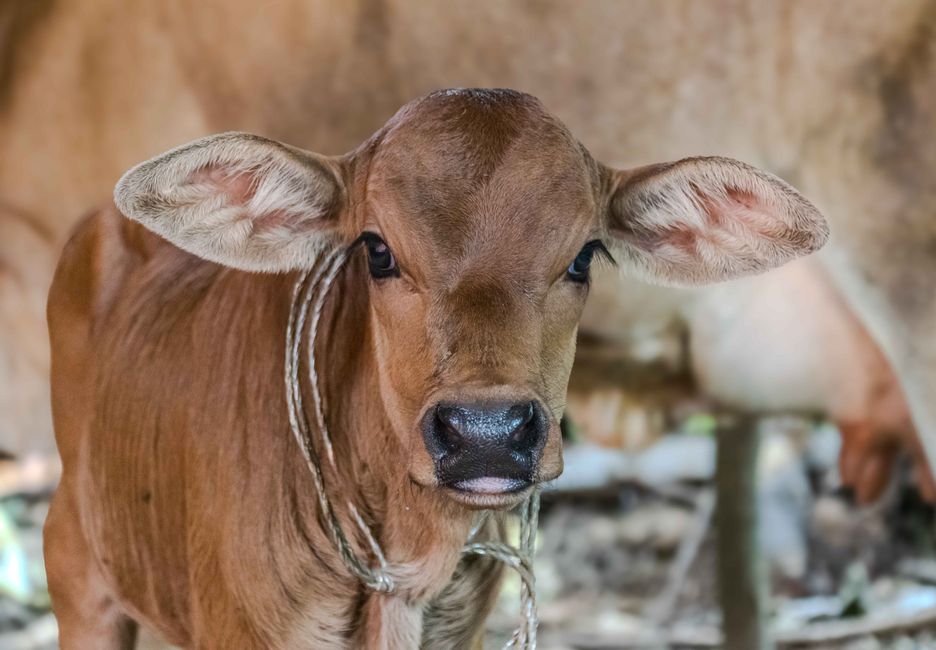
For livestock and equine owners, our mixed animal hospital provides both in-clinic and mobile services, including herd health evaluations, cattle vaccinations, reproductive management like cattle palpations, and specialized testing for diseases such as brucellosis or campylobacter. Our mobile veterinary unit allows us to perform procedures like calf pulls, branding, dehorning, and routine herd work right on your farm or ranch, minimizing stress for your animals and offering real convenience for your operation. For horses, our equine veterinary professionals deliver services such as dental floats, soundness exams, and general medicine, ensuring that your horse’s needs are met whether in the clinic or at your barn.
Treatment approaches are always adapted to the species and situation. For example, a dog with severe dental disease may need a full dental cleaning and extractions under anesthesia, while a cow with calving complications requires skilled on-farm intervention. Our goal is always to provide evidence-based care tailored to the unique needs of your animals and operation.
Preventive Care and At-Home Management for Every Animal
Prevention is at the core of what sets a mixed animal hospital apart. For pet owners, regular wellness visits, up-to-date pet vaccinations, and professional dental cleanings are key steps in keeping your dog or cat healthy. At home, you can help by observing your pet for early signs of illness, providing balanced nutrition, maintaining a clean environment, and following your veterinarian’s recommendations for flea, tick, and heartworm prevention.
For producers and horse owners, preventive care involves a combination of scheduled herd or flock health visits, timely vaccinations, strategic deworming, and ongoing monitoring for emerging issues. Producers can support herd health by ensuring proper nutrition, practicing good biosecurity, and watching for early indicators of disease such as coughing, reduced feed intake, or abnormal reproductive performance. Horse owners should prioritize regular hoof care, dental floats, and body condition scoring, as well as seasonal management such as adjusting turnout routines and monitoring for heat stress or parasite burdens.
Our mixed animal veterinary team works with you to design preventive care protocols that fit your specific animals, management style, and regional risk factors, helping you avoid costly problems before they start.
When to Seek Veterinary Care: Guidance for Pet Owners, Producers, and Horse Owners
Knowing when to call your local animal hospital can make all the difference in your animal’s outcome. For pets, immediate veterinary attention is warranted if you notice signs such as persistent vomiting or diarrhea, difficulty breathing, sudden collapse, or suspected ingestion of toxic substances. More subtle changes, like a lump that grows rapidly, unexplained weight loss, or lameness lasting more than a day or two, should also prompt a visit to our clinic.
For producers, urgent veterinary intervention is needed if you observe calving difficulties, sudden deaths in the herd, severe lameness, or outbreaks of disease with rapid spread. Reproductive problems, unexplained drops in production, or abnormal behavior should be addressed as soon as possible, ideally with an on-farm visit from our veterinary professionals.
Horse owners should contact us promptly for issues such as colic symptoms, severe lameness, wounds, eye injuries, or any sudden change in attitude or performance. Early intervention is critical to maximize recovery and minimize complications; for example, a horse showing mild signs of colic may recover fully with prompt care, while delays can result in life-threatening complications.
If you are ever unsure, our team is here to provide guidance and help you decide when a clinic visit or farm call is necessary. We encourage you to reach out by phone or online for advice tailored to your situation.
The Advantage of a Mixed Animal Hospital: Comprehensive, Community-Focused Care
What truly sets a mixed animal hospital apart in Laredo is the depth and breadth of care available for every animal you call family or depend upon for your livelihood. At Rio Grande Veterinary Clinic, we pride ourselves on building long-term relationships with pet owners, producers, and horse owners alike, supporting you through the everyday moments and the emergencies.
Our ability to offer both in-clinic and mobile services means you never have to compromise on quality or convenience. Whether you are scheduling a routine wellness exam for your cat, need herd work on your ranch, or require urgent care for a foaling mare, our veterinary team has the experience and resources to deliver exceptional care. We tailor our approach to the needs of each animal, drawing on a wide range of skills and services that you simply won’t find at a single-species practice.
To learn more about the full range of veterinary services for pets, livestock, and horses available at our animal hospital in Laredo, or to schedule a visit—either in-clinic or on your farm—please contact our team at (956)-508-8900 or stop by 3311 East Del Mar Blvd Suite 201, Laredo, TX 78041.
When searching for a vet near me, look for a practice that understands the needs of both pets and livestock, and is invested in the well-being of the entire community. At Rio Grande Veterinary Clinic, our commitment is to your animals’ health and your peace of mind, every season of the year. Reach out today and discover the difference a true mixed animal hospital can make for you and your animals.