What Sets a Mixed-Animal Hospital Apart in Laredo?

What Sets a Mixed-Animal Hospital Apart in Laredo?
When you live in South Texas, you know that keeping animals healthy is a year-round responsibility, made even more challenging by Laredo’s extreme summer heat and regional disease risks. Whether you care for a household pet or manage a herd of cattle, your needs are unique—and so are the services required to keep your animals thriving. At Rio Grande Veterinary Clinic, we are proud to be a full-service mixed-animal hospital located at 3311 East Del Mar Blvd Suite 201, Laredo, TX 78041. Our clinic is designed to serve both pet owners and agricultural producers with comprehensive in-clinic and mobile veterinary care. In this blog, we’ll explore what sets a mixed-animal hospital apart, how our services are tailored for Laredo’s unique climate and community, and why trusting your animals—whether companion, livestock, or equine—to a mixed-animal team can make all the difference.
Recognizing When Your Animals Need a Mixed-Animal Hospital
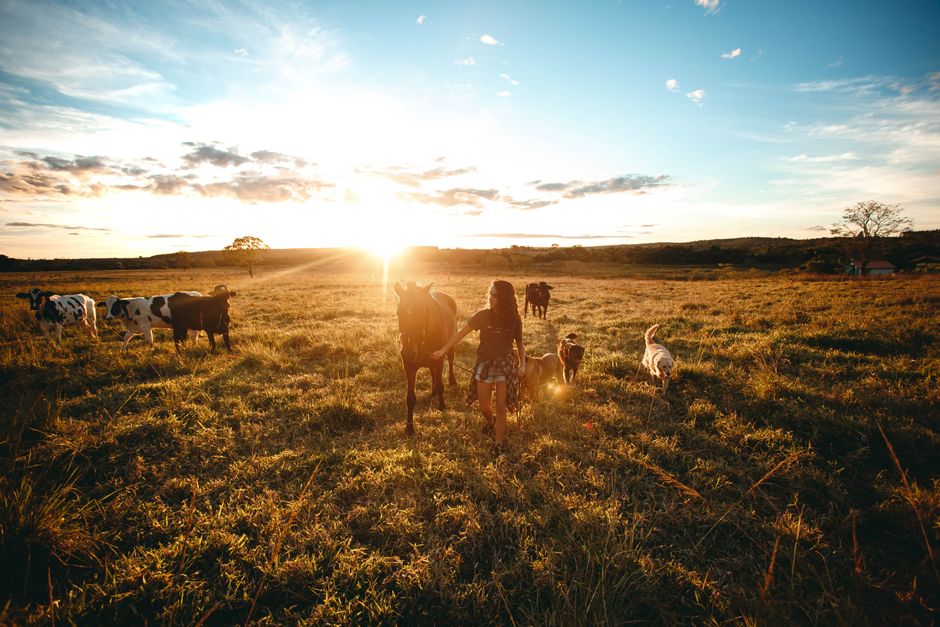
For many in Laredo and surrounding communities, animals play varied roles: from the family dog or cat curled up inside to a herd of cattle grazing under the Texas sun, or horses stabled and ready for work or recreation. Each group faces different health risks and shows different signs when something is wrong. Recognizing when your animals need attention from an experienced animal hospital is essential.
In pets, symptoms that require veterinary attention include persistent itching, sudden changes in appetite, labored breathing, or signs like lethargy and vomiting that don’t resolve within a day. For livestock, warning signs include a drop in milk production, lameness, coughing, abnormal manure, or signs of heat stress such as increased respiration and open-mouth breathing—especially important during Laredo’s scorching summers. Horses may show issues like colic, reluctance to move, abnormal sweating, or changes in performance and behavior.
While some concerns can be managed at home or on the farm, ongoing or severe symptoms often signal a need for professional diagnosis and care. Mixed-animal hospitals are equipped to identify and treat issues across species, ensuring that both your household pets and your livestock or horses receive the right attention as soon as possible.
What Makes a Mixed-Animal Hospital Different?
The biggest distinction between a mixed-animal hospital and a traditional companion-animal clinic is the scope of expertise and resources. At Rio Grande Veterinary Clinic, our veterinarians and farm call team are trained to handle everything from routine pet examinations and preventive care to complex herd health issues, reproductive services, and emergency surgeries for both pets and livestock.
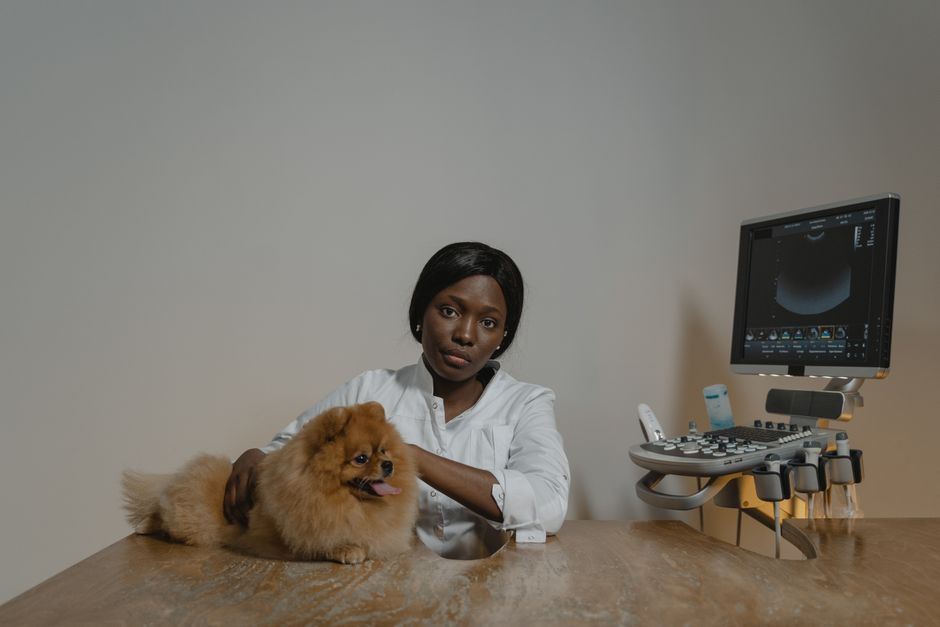
Our facility offers a broad range of diagnostic tools and treatments for pets, including diagnostic pet examinations, pet dental cleanings, and laser treatments. At the same time, our mobile unit extends our reach to area ranches and barns, performing services like cattle branding, livestock general medicine, equine dental floats, and herd vaccinations on-site.
Mixed-animal hospitals must also adapt to the diverse needs of each client. For example, a producer might need help managing a herd’s parasite load or preparing animals for export, while a pet owner could be seeking relief for a dog’s itchy skin. By offering species-specific expertise, flexible scheduling, and both in-clinic and ambulatory options, mixed-animal practices are uniquely positioned to serve the entire animal community in Laredo and beyond.
Addressing Regional Challenges: Laredo’s Climate and Animal Health
The climate in Laredo presents unique challenges to animal health, especially during the intense summer months when heat stress becomes a major concern for both pets and livestock. High temperatures can quickly lead to dehydration, decreased feed intake, and even life-threatening conditions such as heatstroke.
For pets, signs of heat-related distress include excessive panting, drooling, red or pale gums, and collapse. Livestock may exhibit increased breathing rates, crowding around water sources, or reduced grazing activity. Horses are particularly vulnerable to dehydration and electrolyte imbalances, especially after working in the heat or during transport.
To address these risks, our animal hospital provides regionally tailored advice and care. This includes scheduling wellness examinations during cooler hours, offering guidance on proper hydration and shade management for livestock and horses, and equipping pet owners with strategies for keeping animals cool indoors. Our mobile services allow us to assess environmental risks directly on your property, delivering personalized recommendations that help prevent heat-related problems before they start.
Professional Veterinary Care for Pets, Livestock, and Horses
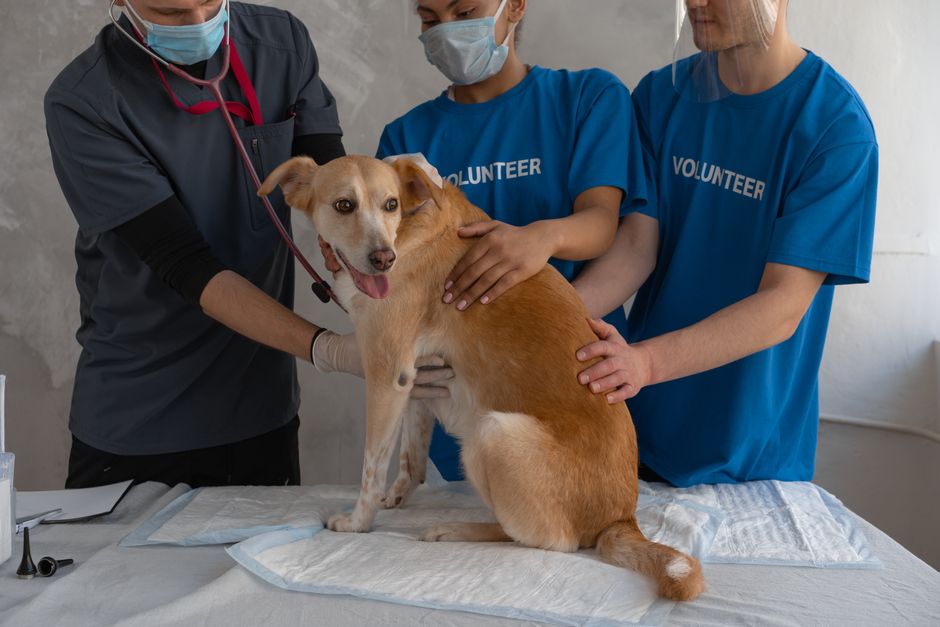
At Rio Grande Veterinary Clinic, we offer a comprehensive suite of services for all animals under your care. For pets, our team provides everything from routine wellness exams and pet dental cleanings to diagnostic blood work, vaccinations, and advanced internal medicine. Our veterinarians are also skilled in emergency pet surgery when urgent intervention is needed.
For livestock producers, our farm call team delivers herd health services such as reproductive examinations, brucellosis testing, dehorning, cattle vaccines, calf pulls, and guidance on parasite management with FAMACHA scoring and fecal testing. We also help with export documentation and regulatory compliance for cattle and other livestock.
Equine owners benefit from services such as equine general medicine, Coggins testing, dental floats, equine vaccinations, and lameness evaluations. Our team understands the demands placed on performance horses and working ranch animals and is equipped to support their unique medical and management needs.
Preventive Care and Home/Farm Management
Prevention is the foundation of animal health, whether you’re focused on household pets, a barn full of horses, or a large herd of cattle. Steps for maintaining health in the Laredo area include routine vaccination schedules, regular parasite control, dental care, and periodic wellness or herd health checks.
For pets, preventive care starts with annual checkups, core vaccination boosters, dental hygiene, and monitoring for early signs of conditions like allergies or arthritis. Our team offers practical advice on nutrition, exercise, and indoor safety, all tailored to Laredo’s environmental risks.
Livestock producers can protect their herds by establishing a herd health calendar that includes routine vaccinations, strategic deworming, body condition scoring, and managing water sources and shade to reduce heat stress. Our veterinarians can help design biosecurity protocols to minimize disease introduction and monitor reproductive health through scheduled cattle palpations and pregnancy checks.
For horse owners, preventive strategies involve regular dental floats, hoof trimming, vaccination, deworming, and careful attention to hydration and turnout management during extreme weather. Our equine veterinary team offers guidance on pasture management and can help identify early warning signs of common issues like colic or laminitis.
When to Seek Professional Help from a Mixed-Animal Hospital
Knowing when to call your veterinary clinic can mean the difference between a minor setback and a major crisis for your animals. Immediate veterinary care is warranted if you notice symptoms that worsen rapidly, animals not eating or drinking, unresponsive behavior, severe lameness, calving or foaling difficulties, or signs of acute pain. For pets, this also includes difficulty breathing or sudden collapse. For livestock and horses, urgent issues like downed animals, calving or foaling complications, or severe heat stress require prompt intervention.
Our animal hospital in Laredo is equipped to respond to a wide range of urgent and chronic health concerns. While routine appointments are encouraged for wellness care, our mobile unit ensures that even large herds or animals unable to travel can receive timely attention on the farm or ranch. If you are ever unsure about the severity of a situation, our veterinary professionals are just a call away and ready to discuss your concerns.
The Value of Comprehensive Care: Why Mixed-Animal Hospitals Matter
By choosing a mixed-animal hospital like Rio Grande Veterinary Clinic, you benefit from a team that understands the interconnectedness of animals, people, and the land in South Texas. Our veterinarians are committed to building lasting relationships, providing education, and supporting both individual pet owners and the region’s agricultural producers. We take pride in being a local resource for preventive medicine, diagnostics, emergency care, and ongoing management—no matter what species you care for.
Our services are designed to adapt to the changing needs of Laredo’s animal community, with flexible scheduling, mobile farm visits, and a full suite of in-clinic diagnostics and treatments. Whether you need a wellness exam for your dog, herd health support for your cattle, or performance management for your horses, our animal hospital is ready to help.
Finding a Trusted Animal Hospital Near You in Laredo
If you are searching for a dependable animal hospital in Laredo that can care for all your animals, Rio Grande Veterinary Clinic offers both in-clinic and mobile services tailored to your needs. Our team of veterinarians and farm call professionals is passionate about keeping pets, horses, and livestock healthy, especially in the face of South Texas climate challenges.
To schedule an appointment at our Laredo location or request a farm call, call us at (956)-508-8900. If you need more information about our full range of veterinary services, our team is happy to answer your questions and help you determine the best care for your animals.
When you look for a vet near me who understands both pets and livestock, choose the experience and commitment of a mixed-animal hospital. We are proud to serve Laredo and the surrounding communities with compassionate, expert care that keeps your animals safe, healthy, and thriving year-round.