Protecting Livestock From Heat Stress in South Texas
Protecting Livestock From Heat Stress in South Texas
South Texas summers are legendary for their intensity, and as any experienced producer in Laredo knows, the extreme August heat is not just uncomfortable for people; it poses real challenges for cattle, goats, and other livestock. When temperatures soar, heat stress can quickly become a serious threat to animal health, welfare, and productivity. At Rio Grande Veterinary Clinic, located at 3311 East Del Mar Blvd Suite 201, Laredo, TX 78041, our veterinary team is committed to helping producers safeguard their herds through every South Texas summer. In this guide, we will discuss how to recognize the warning signs of heat stress, explore why it occurs, outline practical steps to reduce risk, and explain how our clinic supports livestock health with both in-clinic and on-farm services throughout Laredo and the surrounding communities.
Whether you manage a large beef operation, a commercial goat herd, or a few backyard livestock, understanding heat stress is vital for keeping animals healthy and operations running smoothly. Let’s take a closer look at what every South Texas producer needs to know about heat stress prevention, early detection, and intervention.
Recognizing Heat Stress in Cattle and Goats
Identifying heat stress early can make the difference between a manageable situation and a costly health crisis. For both cattle and goats, signs of heat stress commonly include rapid or open-mouth breathing, excessive drooling, reluctance to move, and crowding around water sources or shade. In cattle, you may also see reduced feed intake, increased standing time, and a noticeable drop in milk production or weight gain. Goats experiencing heat stress often isolate themselves, become lethargic, or seek out cooler areas away from the herd.
Other signs to watch for are elevated rectal temperatures, increased heart rates, and in severe cases, stumbling or collapse. If left unchecked, heat stress can quickly progress to heat exhaustion or even fatal heat stroke. By monitoring your animals daily—especially during the hottest parts of the afternoon—you can catch these signs before they escalate.
Why Are South Texas Livestock at Risk for Heat Stress?
Understanding why heat stress occurs gives producers a head start on prevention. South Texas is characterized by high summer temperatures, frequent humidity, and minimal shade in open pastures. Cattle and goats are particularly susceptible because of their unique physiology; cattle, for instance, dissipate heat less efficiently than some other species, especially breeds with thick hides or heavy muscling. Goats may be more agile at seeking shade but are easily affected when water is scarce or shelter is limited.
Environmental factors contributing to heat stress include prolonged heat waves, limited natural shade, overstocked paddocks, and inadequate water supplies. Management practices such as working cattle during daytime hours or transporting livestock without proper ventilation can significantly increase risk. Even minor issues, like overgrown coats or poor body condition, may make animals more vulnerable to overheating.
In South Texas, August often brings not only extreme heat but also dry spells, which can reduce forage quality and increase the physical effort animals must exert to graze. Producers should be especially vigilant during these periods, as combined stressors can compound the problem.
Managing and Treating Heat Stress: What Producers Need to Know
When heat stress is suspected, immediate action is essential. The first step is always to move affected animals to a shaded, well-ventilated area and provide unrestricted access to cool, clean water. Spraying livestock gently with water or using fans in barns can help lower body temperatures. For goats, providing access to cool concrete or shaded shelters can make a significant difference.
Veterinary intervention may be necessary if animals are showing moderate to severe symptoms. Treatment approaches involve intravenous fluids to address dehydration, anti-inflammatory medications to reduce systemic stress, and careful monitoring for complications such as metabolic imbalances or shock. Our team at Rio Grande Veterinary Clinic can provide both in-clinic and on-farm support, including emergency evaluation, supportive care, and recommendations tailored to your herd’s specific needs. For ongoing management and recovery, our livestock general medicine services are designed to address the full spectrum of heat-related illness as well as underlying health issues that may hinder recovery.
Additionally, paying attention to herd health basics—such as up-to-date vaccinations and parasite control—can reduce the risk of secondary illnesses that often follow heat stress. Ensuring animals are not already compromised by disease or heavy parasite burdens strengthens their ability to withstand environmental pressures.
Practical Prevention Strategies for Heat Stress
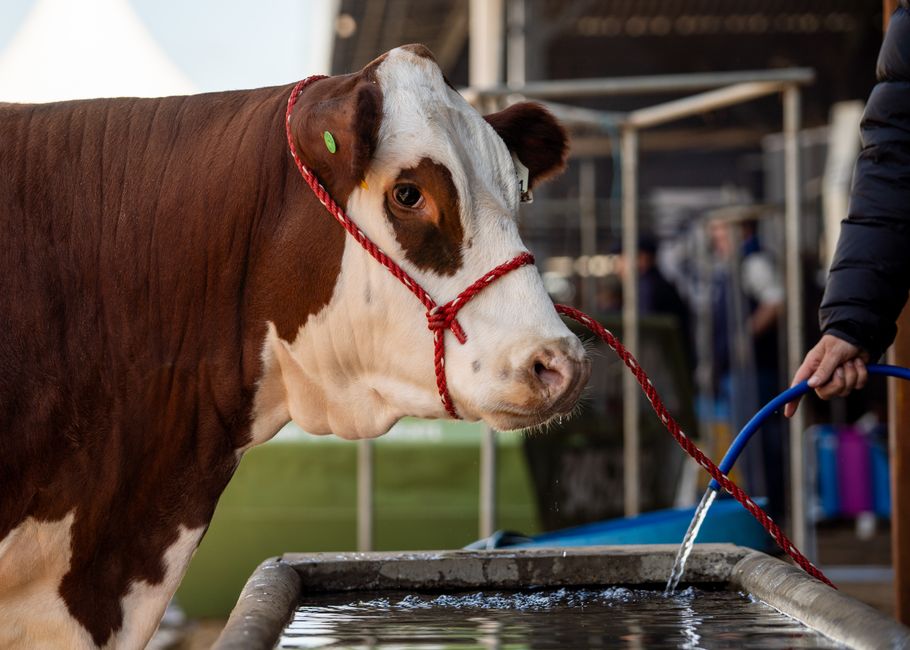
Prevention is always more effective than treatment, and in South Texas, proactive management can save both lives and resources. Start by ensuring adequate shade is available; this can include natural tree cover or constructed shelters in pastures and holding areas. Producers should check that water troughs are clean, fully functional, and spaced adequately to prevent crowding. During periods of extreme heat, increasing the number of water stations helps all animals access hydration without stress.
Feeding routines may need to be adjusted so that cattle and goats receive their primary feedings during cooler hours—early morning or late evening. Avoid handling, moving, or working livestock during peak heat times unless absolutely necessary. Clipping overgrown coats or shearing goats before the hottest months can also help animals better regulate their body temperature.
For herds with a history of heat stress or those particularly vulnerable, scheduling a general medicine evaluation or herd health check with our veterinary professionals can help identify risk factors before they lead to trouble. Our team can recommend individualized management changes, assess body condition scores, and advise on nutritional support to optimize resilience.
When to Seek Veterinary Care for Heat Stress
Timely intervention can prevent long-term setbacks and reduce losses. Producers should contact their veterinarian whenever livestock show signs of moderate to severe heat stress, such as persistent panting, refusal to rise, neurological symptoms, or evidence of collapse. Even mild cases, if not improving with shade and water, warrant professional attention to avoid escalation.
If you are unsure whether your herd is coping well with the current heat, our veterinary team is available to assess animals on your farm or at our Laredo clinic. We offer both scheduled appointments and mobile visits to fit the needs of producers managing operations of all sizes. For ongoing support, our livestock general medicine and farm animal vaccination services help maintain herd health throughout the most challenging seasons.
Supporting Producers Through the South Texas Summer
Heat stress is a preventable threat, but it requires vigilance and prompt action from producers and veterinarians alike. By recognizing early signs, implementing practical cooling strategies, and partnering with a trusted veterinary team, you can keep your cattle and goats healthier and more productive—even in the relentless South Texas sun.
If you have concerns about your herd’s heat tolerance, need advice on shade or water infrastructure, or are looking for a "farm vet near me" who understands the unique challenges of Laredo and surrounding communities, Rio Grande Veterinary Clinic is here to help. Schedule an appointment or request an on-farm visit by calling (956)-508-8900 or visiting our Laredo clinic location. Our veterinary professionals are committed to supporting producers with comprehensive herd health services and practical guidance tailored to local conditions.
Your livestock’s well-being is our top priority, and together, we can meet the challenges of the South Texas summer head-on. For more information on year-round preventive care, including farm animal vaccines and general medicine support, reach out to our team today.