Winter Pet and Livestock Care Tips for South Texas
Winter Pet and Livestock Care Tips for South Texas
As the cooler months approach in South Texas, pet and livestock owners often wonder how to best support their animals through fluctuating temperatures and occasional cold snaps. The winter season in Laredo and surrounding communities may not bring heavy snow, but unpredictable weather, chilly nights, and dry air can still impact the health and comfort of your pets and livestock. At Rio Grande Veterinary Clinic, located at 3311 East Del Mar Blvd Suite 201, Laredo, TX 78041, our veterinary team is dedicated to helping animal owners navigate the unique challenges of winter pet care in South Texas.
This guide explores practical winter pet care tips for South Texas, as well as livestock winter health tips tailored to our region’s climate. You will find guidance on recognizing cold-weather risks, understanding how local weather affects animal health, and learning effective strategies for prevention and wellness. Whether you are searching for winter pet care in Laredo or want to ensure your livestock remain healthy all season long, our veterinary professionals are here to help you create a safe, comfortable environment for every animal in your care. If you have concerns about your animal’s health this winter, schedule an appointment with our team or book a comprehensive wellness examination to ensure your animals are ready for the season.
Recognizing Cold-Weather Risks: Signs Your Pet or Livestock May Be Affected
Understanding how your pets and livestock react to the shifting weather is the first step in providing effective winter care. Even during South Texas’ relatively mild winters, sudden temperature drops or wet, windy days can lead to discomfort or even illness for animals accustomed to warmer conditions.
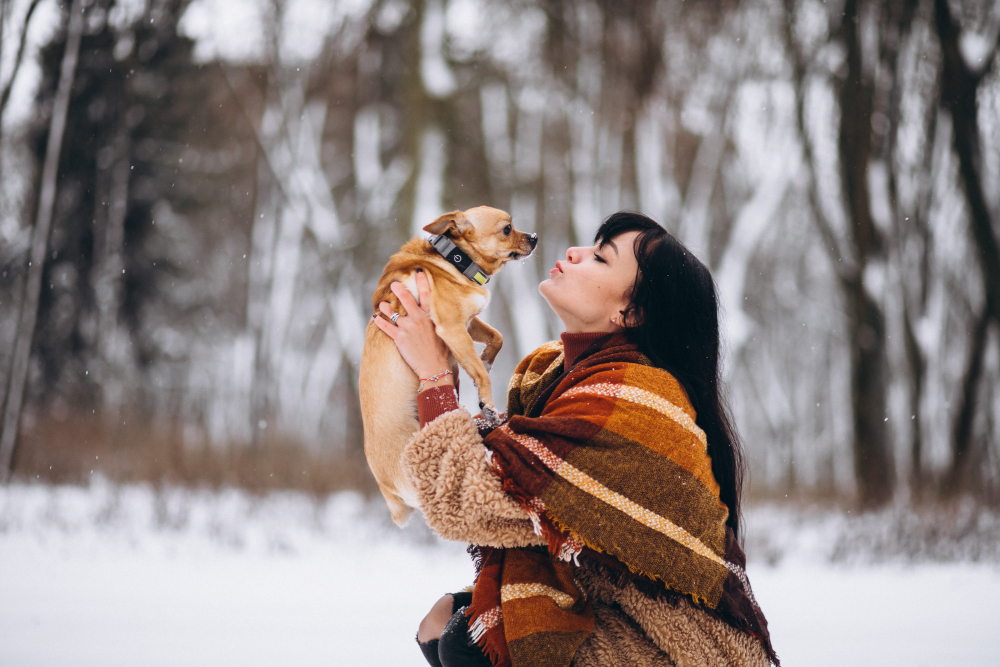
For household pets, key signs of cold-weather stress include shivering, reluctance to go outdoors, seeking warm places to sleep, or changes in appetite and energy. Additionally, pets with short coats, young or senior pets, and those with chronic health conditions are especially vulnerable. Watch for symptoms such as dry or cracked paw pads, coughing, or stiffness when moving, as these may indicate your dog or cat is feeling the effects of the cold.
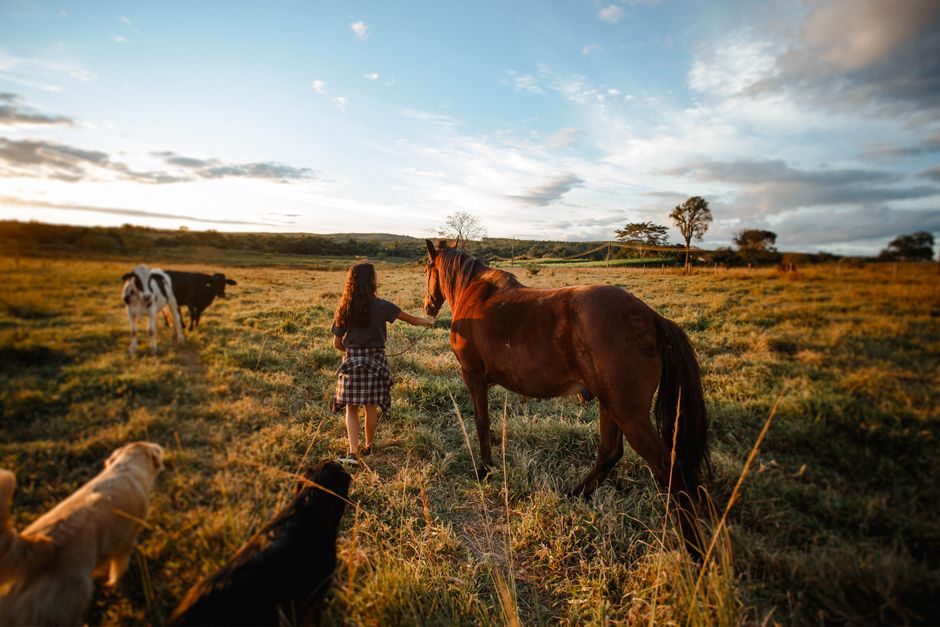
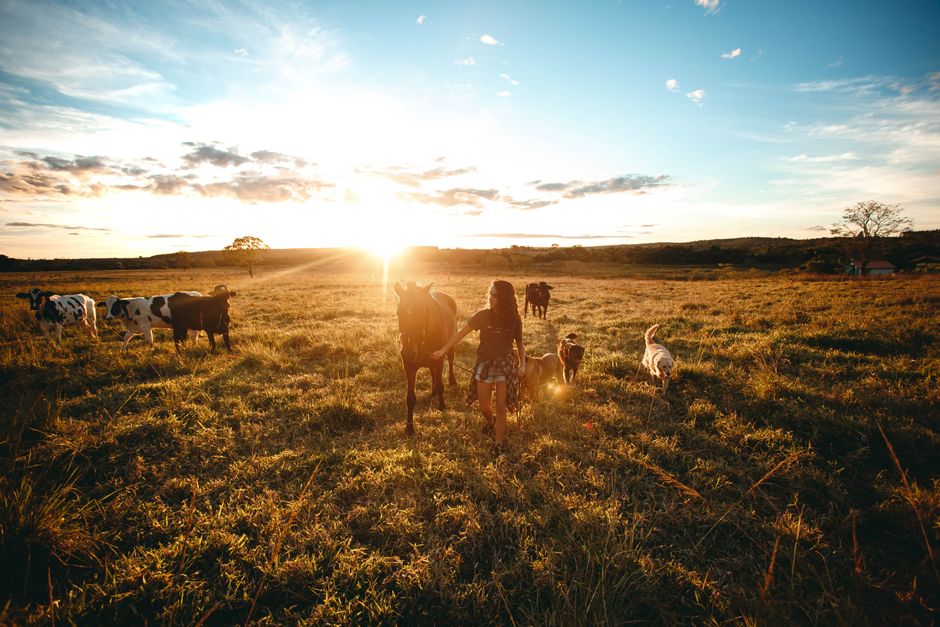
Livestock, such as cattle, horses, goats, and sheep, face their own set of challenges. Warning signs of cold stress in livestock include huddling together for warmth, reduced milk production, lethargy, or shivering. In extreme cases, you may notice frostbite on exposed areas like ears or tails, particularly during unexpected freezes. Animals that are thin, very young, or older are typically at higher risk when temperatures fall. Paying close attention to these behavioral and physical changes helps you respond quickly to your animals’ needs throughout the winter months.
Understanding the Unique Challenges of Winter in South Texas
While Laredo and the surrounding region are spared from extreme winter storms, the local climate presents its own set of challenges for animal health. The most common issues stem from sudden cold fronts, dramatic temperature swings, and dry, windy conditions. Unlike areas with consistently cold winters, animals in South Texas do not have months to gradually acclimate; instead, they may experience several warm days followed by an abrupt drop in temperature.
For pets, this inconsistency can make it harder for their bodies to adapt, increasing the risk of respiratory infections or joint stiffness, especially in older animals. Dry air and dust often lead to skin and coat issues, while chilly nights may prompt pets to seek unsafe heat sources like space heaters or car engines. The region’s low humidity can also exacerbate dehydration, so maintaining access to fresh water is crucial.
Livestock winter health tips for South Texas focus on keeping herds and flocks comfortable when temperatures vary widely. Sudden cold snaps can lead to stress-related illnesses, while wet conditions following winter rains may cause hoof problems or increase the risk of pneumonia. Ensuring proper shelter and nutrition can help animals cope with these unpredictable patterns. It’s also important to remember that parasites and infectious diseases do not disappear in winter; monitoring your livestock’s health remains a year-round responsibility.
Professional Treatment and Management Options in Laredo
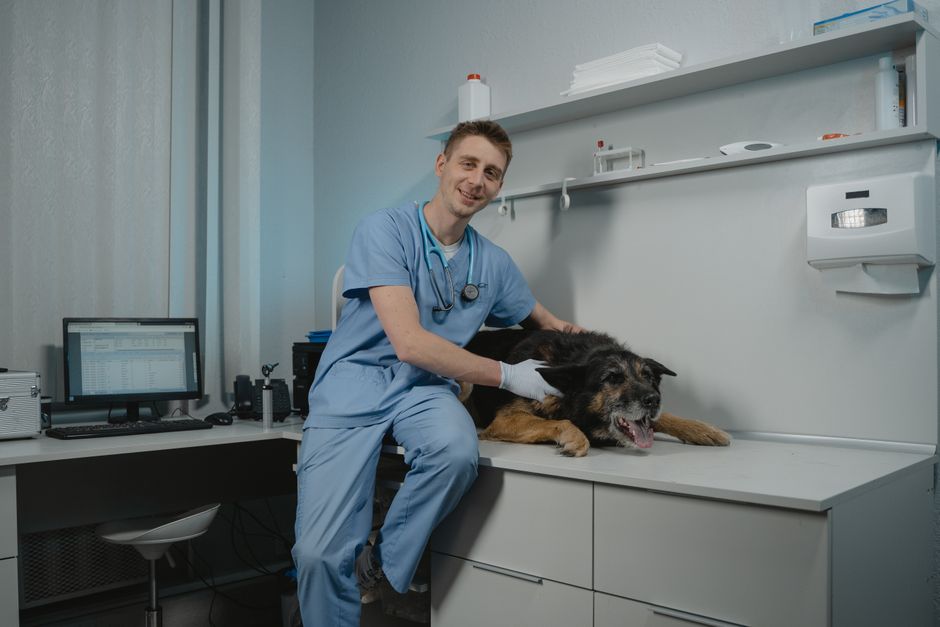
When cold weather affects your pet or livestock, timely intervention from a trusted veterinarian in Laredo can make all the difference. At Rio Grande Veterinary Clinic, our veterinary professionals offer a wide range of services to address winter health concerns for both pets and farm animals.
For household pets, treatment options for winter-related illnesses include thorough wellness examinations to check for underlying health issues, diagnostic testing to detect respiratory infections or joint pain, and recommendations for supportive care such as dietary adjustments or medications as needed. Senior pets may require special attention during colder months; our senior pet care services are designed to help aging animals stay comfortable and active even when the weather cools. If your pet shows signs of dental discomfort, dry mouth, or gum disease, a professional pet dental cleaning can help maintain oral health and prevent complications that might worsen during winter.
Livestock owners can rely on our team for comprehensive livestock general medicine, routine vaccinations, parasite management, and emergency care when needed. Seasonal vaccinations and regular livestock deworming are important parts of winter herd health, as stress from cold weather can weaken immune defenses. For cattle, horses, and small ruminants, we provide nutritional counseling, assessments of housing and shelter, and prompt treatment for weather-related illnesses such as pneumonia or lameness. The goal is always to keep your animals healthy, productive, and comfortable all winter long.
Prevention and At-Home Care: Keeping Your Animals Comfortable During Winter
While professional veterinary care is an essential part of winter pet care in South Texas, there are many steps you can take at home to protect your pets and livestock from the effects of fluctuating temperatures. Creating a winter care plan tailored to your animals’ needs helps prevent illness and ensures their comfort throughout the season.
For pets, begin by ensuring they have a warm, draft-free place to sleep indoors. Outdoor pets should have well-insulated shelters that protect against wind and rain, with clean, dry bedding that is changed regularly. Monitor your pet’s water bowl to prevent freezing, and consider offering a little extra food to support increased energy needs during colder days. Grooming is also important; keep coats clean and free from mats, but avoid shaving them down to the skin. For pets prone to dry skin, consult your veterinarian about safe moisturizing products or supplements.
Livestock require similar attention to housing and nutrition. Provide windbreaks and covered shelters in pastures, and use dry bedding to help animals conserve body heat. Increase feed rations as needed, since animals burn more calories keeping warm; always consult with your veterinarian before making significant dietary changes. Check water sources daily to ensure they remain clean and unfrozen. Keep an eye out for signs of hoof problems or respiratory illness, especially after wet weather or sudden cold snaps.
Vaccinating both pets and livestock remains important throughout the winter. If you are unsure about your animal’s vaccination schedule, schedule a visit for vaccination services or ask our veterinary team for guidance tailored to your farm or household.
When to Seek Veterinary Care: Recognizing When Professional Help is Needed
Knowing when to contact your veterinarian is crucial for preventing minor winter issues from becoming serious health problems. For pet owners in Laredo and surrounding communities, timely intervention can mean the difference between a quick recovery and a prolonged illness.
Schedule an appointment with our veterinary professionals if your pet displays persistent shivering, coughing, limping, or reluctance to eat or drink. Sudden behavioral changes, such as hiding, vocalizing, or seeking unusual heat sources, can signal discomfort or illness. Never ignore signs of frostbite, such as pale or discolored ears or paws, or any evidence of hypothermia, including lethargy or confusion.
Livestock owners should watch for significant changes in herd behavior, such as animals lagging behind, not eating, or developing labored breathing. Promptly seek veterinary care if you notice swelling in joints, wounds that will not heal, or evidence of infectious disease spreading through your flock or herd. In cases of suspected pneumonia or severe cold stress, immediate attention from our veterinary team is critical.
If you are searching online for a “vet near me” or “quality veterinary services near me” in Laredo during the winter months, Rio Grande Veterinary Clinic is prepared to provide the care and guidance your animals need to thrive.
Winter Wellness for Your Animals: Take Action with Rio Grande Veterinary Clinic
Winter in South Texas might not bring blizzards, but it does present unique challenges for pets and livestock. By staying alert to weather changes, watching for early warning signs, and working closely with your local veterinarian near me, you can help your animals remain healthy and comfortable all season long. Remember, your pet’s winter wellness depends on a combination of at-home care, regular veterinary checkups, and prompt attention to any signs of illness.
If you have questions about winter pet care in Laredo, want to review your livestock’s health plan, or need to schedule a comprehensive pet exam, our veterinary professionals at Rio Grande Veterinary Clinic are ready to support you. Call us at (830) 203-0586 or visit our location in Laredo to schedule an appointment. Your trust in our team ensures your animals receive the best winter care possible, right here in South Texas.
For more information about maintaining your pet’s health throughout the year, explore our senior pet care services or contact us to discuss winter livestock health tips tailored to your farm or household. We are proud to serve the Laredo community and look forward to partnering with you for a healthy, happy season ahead.