When to Call Your Veterinarian: Signs Your Animal Needs Care

When to Call Your Veterinarian: Signs Your Animal Needs Care
As a devoted pet owner or livestock caretaker, you do everything possible to keep your animals healthy and happy. Yet, it is not always easy to tell when something is wrong or when it is time to reach out to a veterinarian. At Rio Grande Veterinary Clinic, we understand how stressful it can be to notice changes in your animal's behavior or health. Our veterinary team in Laredo, TX is here to help you recognize the warning signs that require professional attention. In this guide, we will walk you through the key symptoms to watch for in pets and livestock, explain why these issues can arise, and offer guidance on when and how to seek veterinary care.
Whether you care for a playful puppy, a senior cat, a herd of cattle, or a sturdy horse, knowing when to consult a veterinarian can make all the difference in your animal’s outcome. We will also cover what to expect during a veterinary visit and how to keep your animals healthy between checkups. For more information about our comprehensive wellness exams, you can always explore our pet examination services or reach out to our welcoming team.
Recognizing the Signs: When Your Animal Needs a Veterinarian
Animals have unique ways of telling us they are not feeling well. Unlike people, they can’t explain their symptoms, so it is up to you to notice when something is off. Pet owners and livestock managers should pay close attention to changes in appearance, activity, or routine, as these can be the earliest indicators of illness.
Common Warning Signs in Pets
Warning signs in dogs and cats often include changes in appetite, such as eating significantly less or more than usual. Additionally, vomiting, diarrhea, or sudden weight loss are red flags. Lethargy, reluctance to play, limping, or difficulty rising can indicate pain or injury. Coughing, sneezing, labored breathing, or discharge from the eyes or nose may point to respiratory concerns. Persistent scratching, shaking of the head, or hair loss could signal skin or ear problems. Other important symptoms include frequent urination, straining to urinate, blood in urine or stool, bad breath, drooling, swelling, or lumps that persist.
Behavioral changes are just as important. Aggression, hiding, restlessness, confusion, or signs of anxiety or depression may all be tied to underlying health issues. It is also important to note changes in your pet's gait, vocalization, or bathroom habits, especially for senior pets.
Key Signs in Livestock and Horses
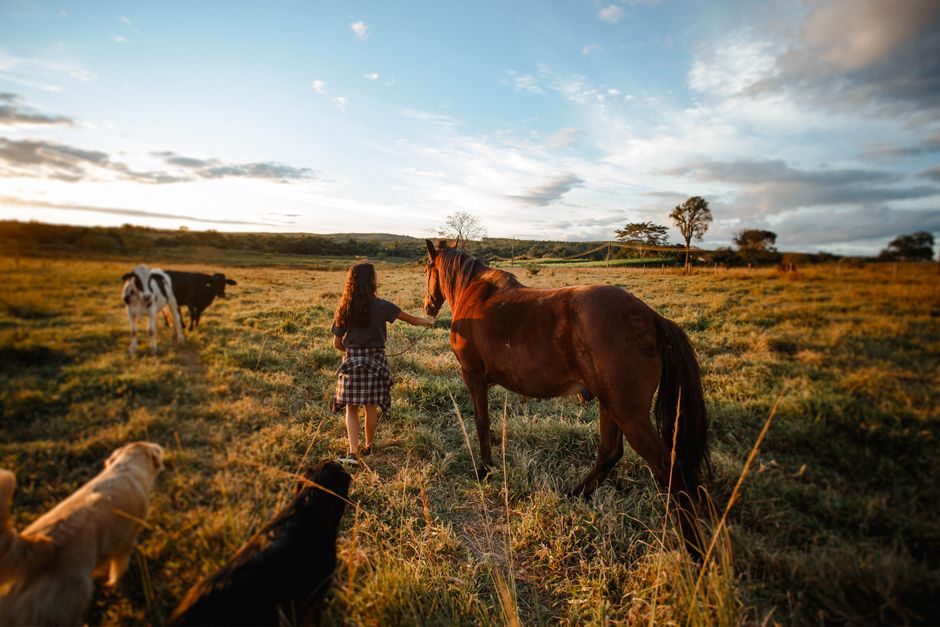
For livestock such as cattle, sheep, goats, and horses, warning signs often manifest as a sudden drop in feed intake or water consumption, standing apart from the herd, or changes in gait and posture. Coughing, nasal discharge, abnormal breathing, or excessive drooling can indicate respiratory or oral issues. Lameness, swelling in the limbs or joints, and difficulty rising are also significant. For dairy animals, a decrease in milk production or changes in udder appearance can be signs of illness. Other warning signs include diarrhea, abnormal manure, weight loss, or issues with calving or birthing. Horses may show colic symptoms, such as pawing, looking at their sides, rolling, or refusing to eat.
Being familiar with your animal’s normal behavior and routine is critical. Even subtle changes can signal a need for examination by a veterinarian in Laredo.
Understanding the Causes: Why Health Changes Happen
Many factors contribute to why animals become ill or injured. Pets and livestock are exposed to a variety of risks, from infectious diseases and parasites to injuries, toxins, and chronic conditions.
Pets: Everyday Hazards and Underlying Illness
For household pets, sudden illness might be caused by ingesting something toxic, sustaining an injury during play, or catching a contagious disease. Chronic conditions such as kidney disease, diabetes, dental issues, arthritis, and cancer often develop gradually, making early detection crucial. Environmental factors like extreme heat, which is common in Laredo and the surrounding communities, can lead to heatstroke or dehydration, particularly in the summer months.
Dental problems are another common but often overlooked source of pain and illness in pets. Symptoms like bad breath, difficulty chewing, drooling, or pawing at the mouth often signal dental disease. Our team can assist with professional pet dental cleaning services to help prevent these issues.
Livestock and Horses: Environmental and Management Influences
In livestock, changes in health can be triggered by a range of issues including infectious diseases such as brucellosis, parasites, nutritional imbalances, environmental stress, injuries, or complications during birth. For instance, cattle that graze on sparse pasture during drought seasons may suffer from mineral deficiencies, while horses in South Texas are at risk for diseases like West Nile Virus or piroplasmosis.
Proper management, routine vaccinations, and regular veterinary checkups are essential for maintaining herd health and preventing outbreaks. Our veterinary team offers a full suite of livestock and equine services tailored to the unique needs of animals in our region.
Veterinary Treatment: What to Expect When You Call for Help
When you notice warning signs and reach out to your veterinarian, you are taking an important step toward protecting your animal’s well-being. At Rio Grande Veterinary Clinic, we provide comprehensive care for pets and livestock in Laredo and the surrounding communities, both in our modern clinic and through our mobile services.
The Veterinary Examination Process
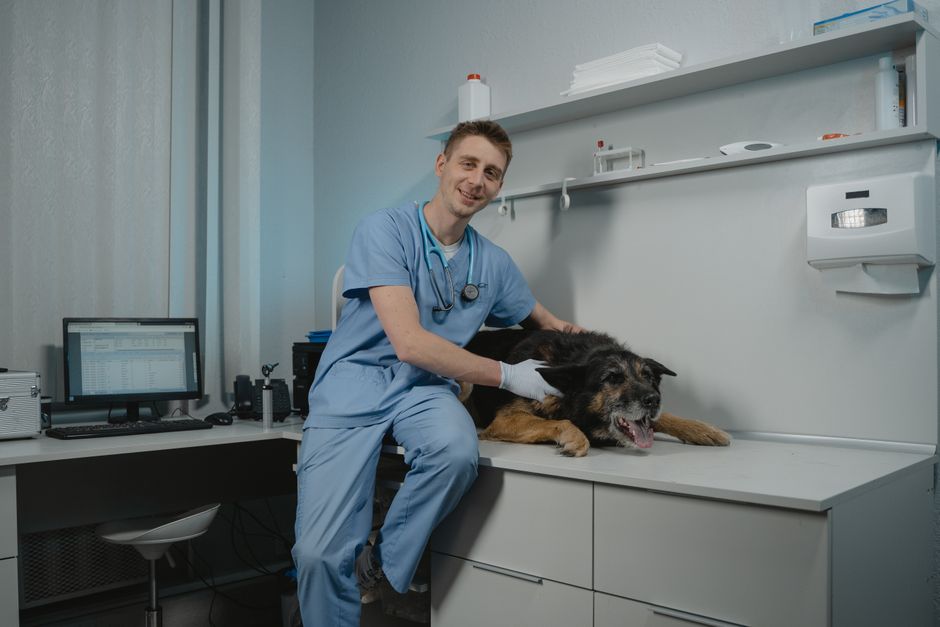
Your animal’s visit will begin with a thorough medical history and physical examination. For pets, this may include checking vital signs, evaluating body condition, examining the mouth, eyes, ears, skin, and listening to the heart and lungs. For livestock, our veterinarians may perform herd checks, reproductive exams, or specific diagnostic tests based on your concerns.
Our clinic is equipped with advanced diagnostic tools such as blood work, radiographs, and ultrasound, which help us pinpoint the cause of your animal’s symptoms. If surgery or urgent intervention is needed, we can provide emergency veterinary care right here in Laredo.
Treatment approaches depend on the underlying problem. Options may include medications, wound care, intravenous fluids, surgery, dental procedures, parasite management, nutritional support, or specialized therapies such as laser treatments. For herd animals, our team can also provide on-site services for vaccinations, deworming, and reproductive health management.
Follow-Up and Ongoing Care
After the initial visit, our veterinary team will guide you on at-home care, follow-up appointments, and preventive strategies. We believe in building ongoing relationships with our clients and their animals, so you can always count on our support throughout your animal’s life.
Preventive Care and Home Monitoring: Keeping Your Animals Healthy
The best way to avoid emergencies is to invest in preventive care and stay vigilant for early warning signs. Routine wellness exams, vaccinations, dental care, and regular parasite control all play key roles in maintaining your animal’s health.
Preventive Care in Pets
For dogs and cats, annual or semi-annual wellness examinations help catch problems before they become serious. During these visits, our veterinarians can provide vaccination updates, dental assessments, nutritional counseling, and screen for early signs of disease. It is also an ideal time to discuss any changes you have noticed in your pet’s appetite, energy level, or behavior. If you are interested in a thorough checkup, our comprehensive pet exams are designed to keep your companion healthy year-round.
At home, you can help by monitoring your pet’s eating and drinking habits, noting any changes in bathroom routines, checking for lumps or sores, grooming regularly, and providing plenty of fresh water and exercise. Promptly address any abnormal symptoms and do not hesitate to call your veterinarian if you are concerned.
Preventive Care in Livestock and Horses
For livestock and equine owners, regular herd health visits, vaccinations, deworming, and nutritional planning are essential. Monitoring your animals daily for changes in behavior, gait, or production will help catch problems early. Maintaining clean, safe living environments and managing pastures appropriately also reduces the risk of infectious diseases and injury.
Our veterinary professionals offer herd health planning, reproductive services, and mobile farm visits to support the unique needs of your animals. Preventive care not only protects your herd, but also your investment and livelihood.
When to Seek Veterinary Care: Clear Guidelines for Pet Owners and Livestock Managers
It can be difficult to know exactly when to call your veterinarian. As a general rule, any sudden or severe change in your animal’s health or behavior should prompt a call to your veterinary clinic. Specific situations that require immediate attention include persistent vomiting or diarrhea, refusal to eat or drink for more than a day, difficulty breathing, severe pain, collapse, seizures, or signs of poisoning. For livestock, issues like calving difficulties, sudden lameness, inability to stand, or rapid spread of illness within the herd are urgent matters.
If you are ever unsure, it is always better to err on the side of caution and consult your veterinarian. Early intervention can mean the difference between a quick recovery and a more complicated health issue. Our team at Rio Grande Veterinary Clinic encourages you to reach out with any questions or concerns about your animals’ health. For help identifying subtle or complex problems, we offer diagnostic examinations to uncover underlying issues and get your animals the care they need.
Remember that regular checkups, timely vaccinations, and open communication with your veterinary team are the foundation of good animal health. By staying engaged and proactive, you protect the animals that matter most to you.
Your Partner in Animal Health: Schedule With Rio Grande Veterinary Clinic
Knowing when to call your veterinarian is one of the most important skills you can have as a pet owner or livestock manager. By watching for warning signs, understanding the causes of illness, and prioritizing preventive care, you can give your animals the best chance at a long, healthy life.
If you ever find yourself searching for a veterinarian near me, look no further than Rio Grande Veterinary Clinic. Our veterinary professionals are dedicated to providing compassionate, community-focused care for pets and livestock in Laredo and surrounding communities. Whether you need a wellness check, urgent help, or ongoing herd management, we are here to support you every step of the way.
Take the next step in protecting your animal’s well-being—schedule an appointment with our experienced team today by calling (830) 203-0586 or visiting our clinic at 3311 East Del Mar Blvd Suite 201, Laredo, TX 78041. For more information about our general veterinary medicine services, explore our website at riograndevet.com.
Your animals depend on you—and you can depend on us. If you have questions about your pet or livestock’s health, or are unsure when to call a veterinarian, reach out today. We are honored to be your trusted partner in animal care.
This blog is intended for informational purposes only and should not replace professional veterinary advice. If your animal is experiencing a medical emergency, contact your veterinarian immediately.