What to Expect at Your Veterinarian Visit in Laredo
What to Expect at Your Veterinarian Visit in Laredo
Visiting the veterinarian can mean something different depending on whether you’re bringing in your family dog for an annual checkup or scheduling a herd health evaluation for your livestock. At Rio Grande Veterinary Clinic, located right here in 3311 East Del Mar Blvd Suite 201, Laredo, TX 78041, our veterinary professionals support both pet owners and producers throughout Laredo and surrounding communities with a full range of in-clinic and mobile services. Whether you’re seeking preventive care for your indoor cat or a vaccination program for your cattle, our approach is tailored to your unique needs. In this blog, we’ll walk you through what to expect during a visit with a veterinarian at our clinic, highlighting how we help companion animals, horses, and livestock thrive. You’ll learn about the steps involved in a typical visit, how to prepare, and why partnering with a trusted local veterinary team matters for animal health.
Recognizing When to Schedule a Visit with Your Veterinarian
Understanding when it’s time to see a veterinarian is crucial for animal owners and producers alike. For companion animals, noticeable changes such as decreased appetite, unusual lethargy, vomiting, diarrhea, coughing, or itching can signal a need for professional care. Pets may also benefit from regular wellness exams, dental checkups, and routine vaccinations to prevent illness and catch health issues early. For livestock and equine owners, subtle shifts in herd behavior, sudden drops in milk production, lameness, coughing in feedlot animals, or signs of calving difficulties can indicate herd health challenges that warrant immediate attention. Regular herd checks, reproductive evaluations, and preventive medicine are just as important as responding to acute problems.
It’s helpful to remember that animals, whether pets or livestock, are experts at hiding discomfort. Early warning signs might include a dog lagging behind on walks, a horse with a mild limp, or cattle separating from the herd. If you notice unusual behavior, unexplained weight loss, or concerns during seasonal transitions such as the start of calving or the arrival of summer heat, reaching out to a veterinarian in Laredo can make all the difference.
Why Veterinary Visits Matter: The Science Behind Preventive Care
Veterinary visits are not just about treating illness; they’re about preventing problems before they start. For pets, annual or semi-annual wellness exams help track weight, monitor organ health, and detect conditions like dental disease or diabetes early on. Dogs and cats benefit from routine vaccinations and parasite prevention, especially in a warm climate like Laredo where fleas, ticks, and mosquitoes are prevalent year-round.
For livestock producers, the economic impact of animal health is significant. Herd health visits allow for vaccination protocols, parasite management, pregnancy checks, and nutritional counseling tailored to your operation. With cattle, for example, reproductive efficiency is closely tied to timely palpations, sound vaccination strategy, and biosecurity. Horses require regular dental floats, Coggins testing, and vaccination programs to prevent diseases common in South Texas.
The science behind these visits is rooted in the early detection of disease and minimizing risk factors. Routine wellness examinations for pets or scheduled herd health checks for livestock allow our veterinary team to identify subtle changes before they escalate. For horses, a regular soundness exam can prevent long-term lameness, while fecal testing in goats or sheep helps manage parasite loads that could impact productivity.
What Happens During a Veterinary Visit: Step-by-Step for Pets, Horses, and Livestock
Companion Animal Visits
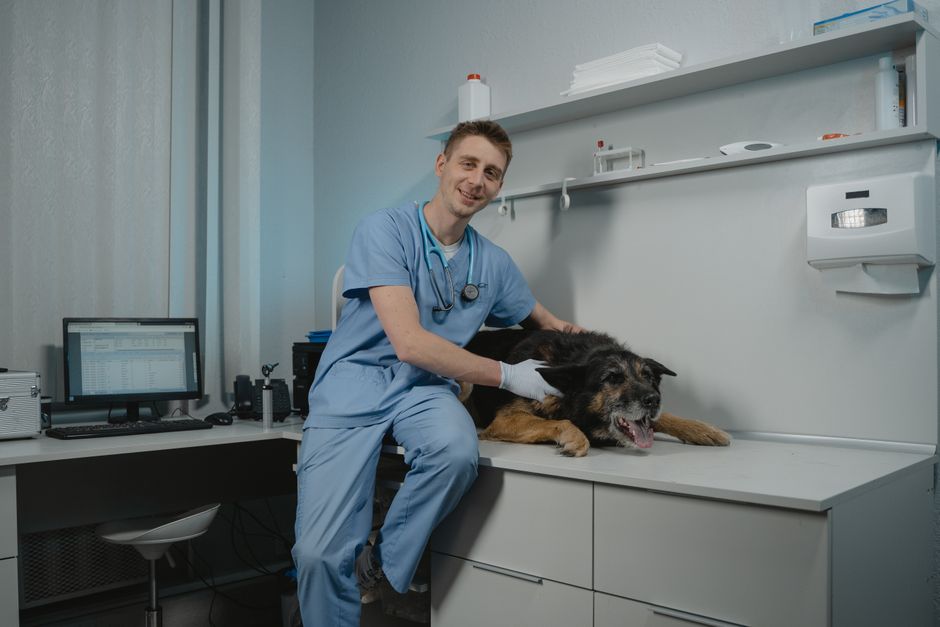
When you bring your dog or cat to our clinic, your veterinarian will begin with a comprehensive health history. This includes asking about appetite, activity, recent changes, and any concerns you’ve noticed at home. A physical examination follows, where our veterinarians assess your pet’s eyes, ears, skin, joints, and listen to the heart and lungs. Weight and body condition are monitored to track trends over time.
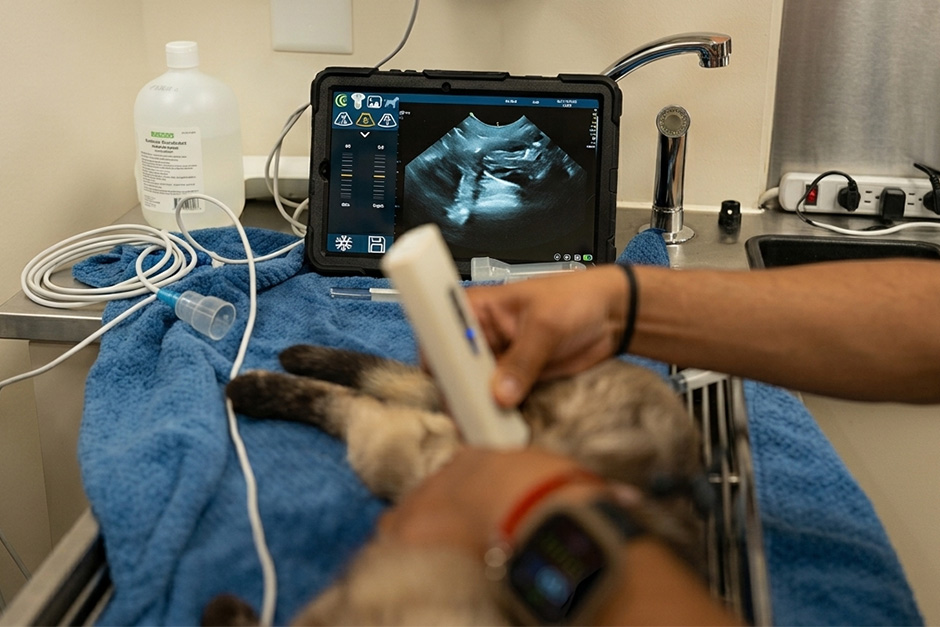
Diagnostic tests such as blood work panels, radiographs, or ultrasounds may be recommended based on your pet’s age, breed, or symptoms. Dental health is also a major focus, and we may suggest a professional pet dental cleaning if tartar buildup or gum disease is detected. Vaccinations are tailored to your pet’s lifestyle, with core and optional vaccines discussed in detail during your visit.
Livestock and Equine Appointments
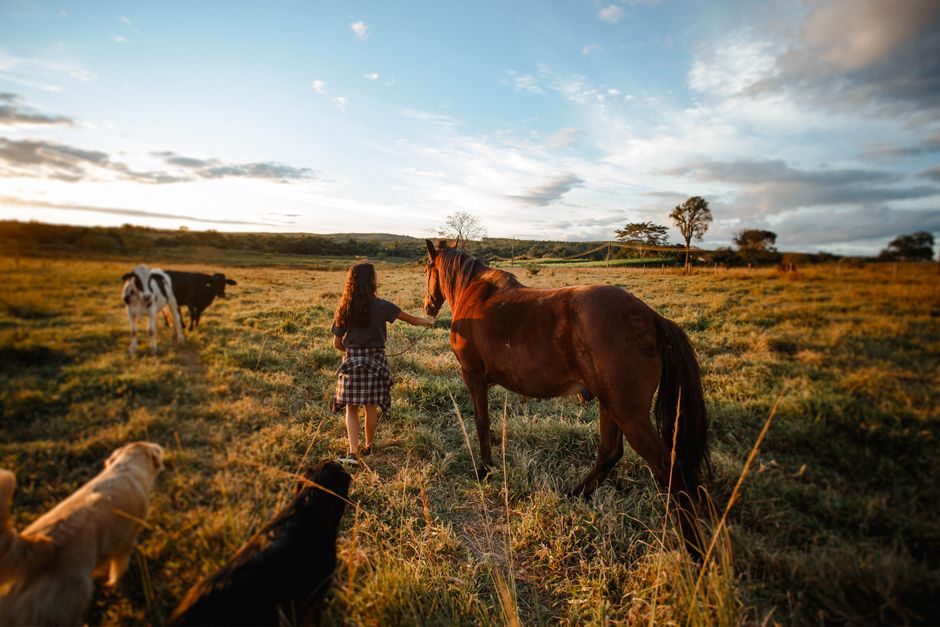
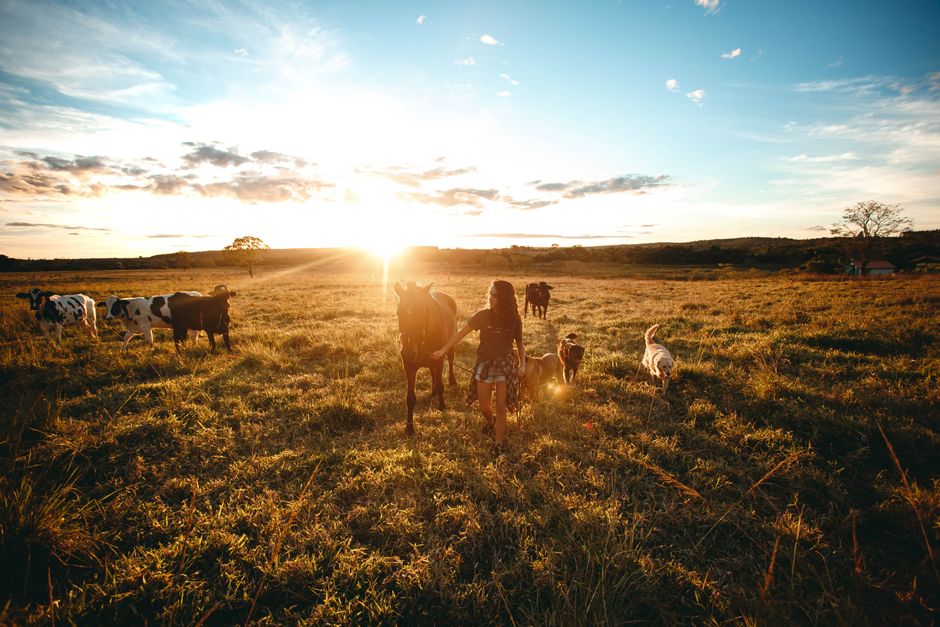
For producers, a visit may take place at the clinic or as a scheduled mobile farm call. Our team arrives equipped to handle herd health checks, reproductive evaluations, or urgent needs such as calving assistance. During cattle visits, services might include palpations, vaccination programs, dehorning, or brucellosis testing. The veterinarian will review the herd’s recent health history, evaluate body condition scores, and recommend strategies for parasite management, nutrition, and biosecurity.
Horses benefit from comprehensive exams that include soundness evaluations, dental assessments, and discussions about vaccination schedules or parasite control. When necessary, we can perform equine float services or advise on Coggins testing for travel compliance. For goats and sheep, visits may focus on FAMACHA scoring, hoof trims, and flock health management.
Preparing for Your Veterinary Visit: Tips for a Successful Appointment
To make the most of your veterinarian visit in Laredo, preparation is key. For pet owners, gather any medical records, a list of current medications, and note any changes in your pet’s behavior or appetite. If your pet is due for a specific service such as microchipping or dental care, mention this when scheduling your appointment so we can plan accordingly.
Producers should have herd records on hand, including calving dates, vaccination history, and past health issues. For on-farm visits, ensure safe access to animals by preparing handling facilities, chutes, or pens. If you’re addressing a specific issue such as lameness or reproductive concerns, pointing out affected animals or providing recent observations helps our veterinary team deliver the most efficient care.
For both companion animals and livestock, clear communication about your goals—whether it’s prevention, diagnosis, or resolving a current problem—enables our veterinarians to tailor their approach. Sharing information about feed changes, environmental stressors, or recent travel can provide crucial context.
Prevention and Home/Farm Management: Supporting Animal Health Between Visits
Veterinary care is most effective when paired with good management practices at home or on the farm. For pets, maintaining a consistent diet, regular exercise, parasite prevention, and dental hygiene are foundational to long-term health. Monitoring your dog or cat for subtle changes and scheduling regular checkups are important steps you can take. Between visits, brushing your pet’s teeth and staying current with vaccination services help support overall wellness.
For livestock and horse owners, daily observation remains a powerful tool. Noticing changes in appetite, mobility, or herd dynamics can help catch problems early. Implementing a vaccination and deworming schedule, monitoring body condition, and keeping up with seasonal needs—such as extra water in the summer or shelter during harsh weather—are vital. For cattle and small ruminants in South Texas, parasite management is a year-round concern due to the local climate; regular fecal testing helps guide deworming protocols. Horses benefit from routine hoof care, dental maintenance, and clean water access, especially during periods of intense heat.
Educating everyone involved on the operation or in the household about signs of illness, injury, or stress ensures a team approach to early detection and intervention.
When to Seek Veterinary Care: Understanding Urgency and Timing
Knowing when to contact a veterinarian can make a critical difference for your animal’s outcome. For pet owners, sudden lethargy, difficulty breathing, persistent vomiting or diarrhea, or visible injuries require prompt attention. Chronic issues such as unexplained weight loss, changes in thirst, or ongoing discomfort should not be ignored, even if they seem mild.
Producers should reach out to a veterinarian if they observe unexplained deaths, rapid spread of illness within a herd, calving or lambing difficulties, severe lameness, or sudden drops in production. In horses, signs such as colic, severe lameness, or wounds should always prompt immediate consultation.
It’s always better to err on the side of caution. Scheduling a diagnostic examination or requesting a mobile herd visit can provide peace of mind and help prevent more serious complications. Don’t hesitate to call if you’re unsure whether a situation warrants professional care; our veterinary team is here to provide guidance and support.
Your Local Partner in Animal Care: Choosing the Right Veterinarian Near Me
At Rio Grande Veterinary Clinic, we understand that every animal—whether a beloved family pet, a hardworking horse, or a valued herd member—deserves the highest standard of care. Our mix of in-clinic and mobile services means we can meet you where you are, delivering personalized support for both pets and livestock throughout Laredo and the surrounding communities. When you’re searching for a veterinarian near me, look for a team that offers preventive care, advanced diagnostics, and a commitment to long-term animal health.
Our veterinarians are dedicated to working with pet owners, horse owners, and producers to develop strategies that keep animals healthy year-round. We invite you to schedule an appointment or a farm call to experience the difference that a knowledgeable, community-focused veterinary team can make. If you have questions or want to book your next visit, please contact us at (956)-508-8900 or stop by our Laredo location. For more information about our wellness examinations or herd health services, our veterinary professionals are here to help you get the most from every visit.
Your animals’ health is our top priority—let us be your trusted partner in veterinary care, season after season.