How an Animal Hospital Cares for Pets and Livestock
How an Animal Hospital Cares for Pets and Livestock
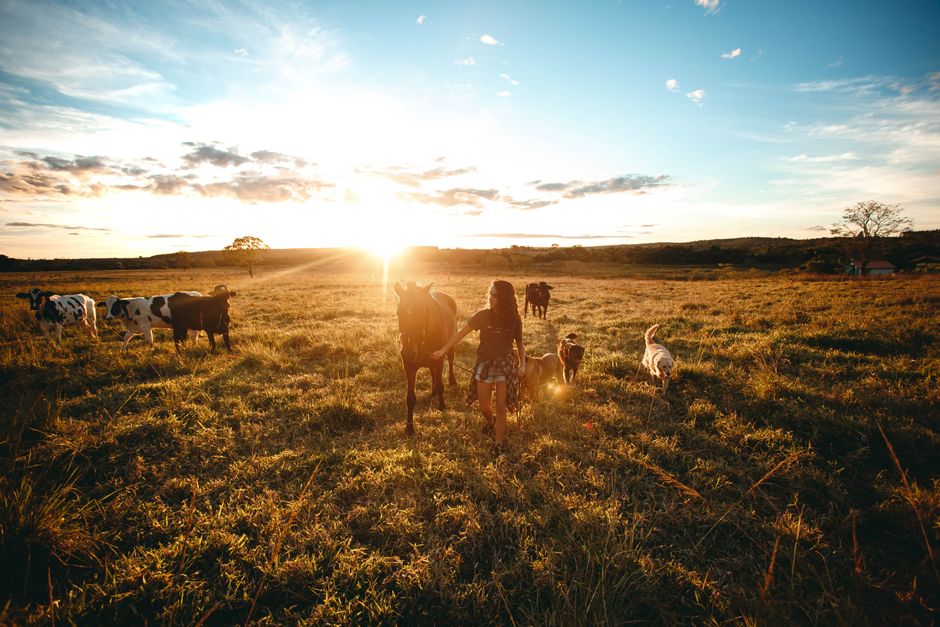
When you care for animals in South Texas—whether they’re house pets, cattle, horses, or small ruminants—finding a veterinary team that understands the unique needs of both companion animals and livestock can make all the difference. At Rio Grande Veterinary Clinic, located at 3311 East Del Mar Blvd Suite 201, Laredo, TX 78041, our animal hospital is built around serving the broad community of pet owners, producers, and horse owners in Laredo and surrounding communities. We offer both in-clinic and mobile services, providing comprehensive care for every animal in your life—from the dog at your feet to the cattle in your pasture.
In this blog, we’ll explore how a mixed-animal hospital like Rio Grande supports both pets and herd animals throughout the year. You’ll learn how our veterinary professionals help you recognize health problems, understand the causes behind them, and access the right treatment—whether you’re booking a pet wellness visit or arranging on-farm herd care. We’ll highlight our commitment to community-focused service, share how we help you prevent problems before they start, and explain when to seek our expertise for urgent or ongoing needs. By the end, you’ll know exactly how our animal hospital in Laredo can partner with you to keep your animals thriving.
Recognizing When Animals Need Veterinary Attention
Every animal—whether a family dog, a herd of cattle, or a performance horse—shows signs when something isn’t right. For pet owners, you might notice that your dog is less playful, your cat is hiding more than usual, or your senior pet seems to struggle with stairs. Symptoms such as vomiting, diarrhea, sudden weight loss, coughing, persistent scratching, or changes in appetite often indicate it’s time to schedule a veterinary examination. Subtle changes, like bad breath or tartar buildup, can point to dental disease, a common but often overlooked health issue in pets.
For producers and horse owners, the signs can look different but are just as vital to catch early. A drop in milk production, reluctance to eat, lameness, coughing, abnormal manure, or a change in body condition score are classic indicators of herd or individual animal health concerns. During calving season, a delay in calving progress or a cow that is down longer than normal signals the need for immediate attention. Horses showing signs of colic—such as pawing, rolling, or looking at their flanks—require prompt evaluation.
Recognizing these early warning signs is the first step in protecting the health and productivity of your animals. Whether you care for pets in your home or livestock in the field, our veterinary team is here to help you assess any concerns and provide guidance on the next steps. For pet owners, our comprehensive pet exam services are designed to uncover hidden problems before they escalate. Producers and horse owners can rely on our mobile team for timely on-farm evaluations and herd checks when you notice something out of the ordinary.
Understanding the Causes: Why Animals Get Sick
The reasons animals become ill or experience health challenges vary greatly between species and environments. For pets, common causes include infectious diseases, parasites, allergies, dental disease, and age-related issues. Dogs and cats are especially prone to problems like heartworm, tick-borne diseases, and dental infections in South Texas, given our warm climate and year-round parasite exposure.
Among livestock and equine populations, health problems often arise from infectious agents, nutritional deficiencies, breeding complications, and environmental stressors. Cattle may be affected by diseases such as brucellosis, trichomoniasis, or respiratory infections, each carrying both health and economic impacts for your operation. Horses face risks from colic, laminitis, infectious diseases, and injuries sustained in the pasture or arena. Goats and sheep are particularly susceptible to internal parasites, which can quickly impact flock health if not managed proactively.
Regional factors play a significant role in animal health. The South Texas climate can increase the pressure from external parasites and heat stress, and the timing of calving, foaling, or lambing seasons brings its own set of challenges. Understanding these risks is the foundation of effective preventive care—a core focus at our animal hospital. Our team’s experience with both small animals and livestock means we can tailor recommendations to your unique needs, whether you’re managing a backyard flock or caring for an aging family cat.
How an Animal Hospital Treats and Manages Health Issues
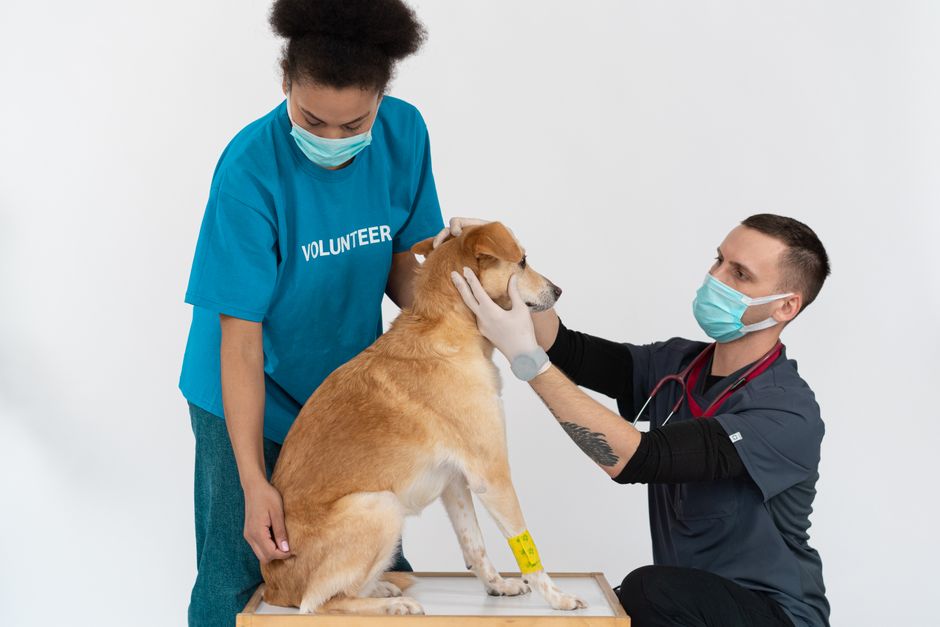
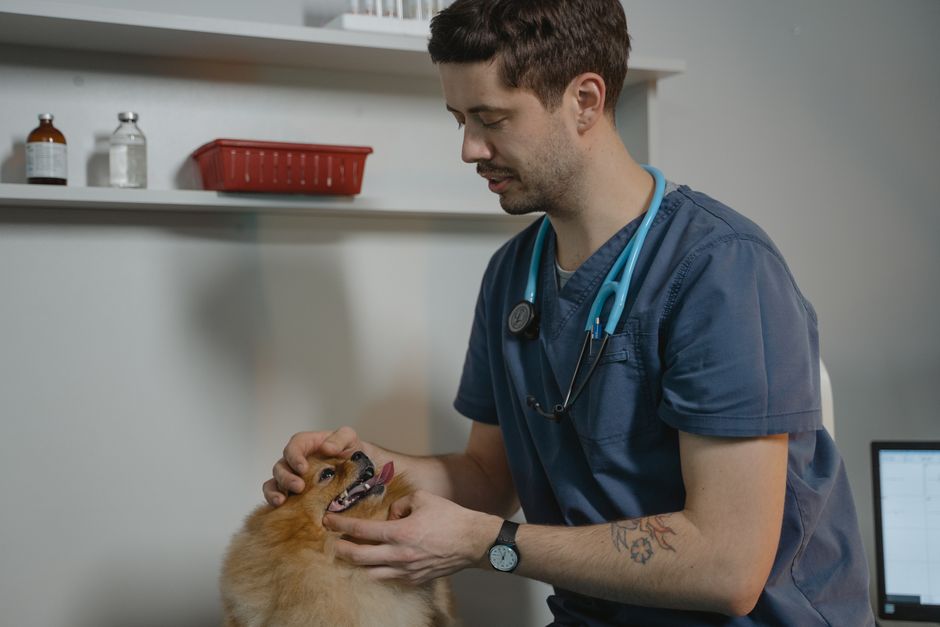
Treatment and management at a mixed-animal hospital like Rio Grande Veterinary Clinic are always adapted to the animal’s species, health status, and the owner’s goals. For house pets, our in-clinic services include everything from diagnostic examinations to dental cleanings, surgical procedures, vaccinations, allergy management, and senior pet care. If your pet is suffering from dental disease, for example, we offer professional dental cleaning services and oral surgery to address infected teeth and improve overall health.
Producers can count on our mobile veterinary team for essential livestock services, including cattle branding, palpations, calf pulls, and herd vaccination programs. We provide brucellosis testing, trichomoniasis testing, and TB testing to help you maintain herd health and meet regulatory requirements. When emergencies arise—such as a challenging calving or a downed animal—our veterinarians are equipped to respond quickly, minimizing losses and supporting animal welfare.
Horse owners benefit from services including equine dental float service, Coggins testing, and general medicine for issues ranging from lameness to infectious disease. Our animal hospital also supports the health of goats, sheep, and other livestock through goat hoof trimming, FAMACHA scoring for parasite management, and livestock deworming.
By offering both in-clinic and mobile services, we ensure that animals receive timely, effective care—whether that means a scheduled wellness visit at our Laredo location or an on-farm call to your ranch or barn. Our approach is always guided by the latest veterinary best practices, with a strong emphasis on client communication and education.
Preventing Problems Before They Start: Home and Farm Strategies
Prevention is at the heart of animal health, and our veterinary team works closely with you to develop strategies tailored to your animals and setting. For pet owners, preventive steps include regular wellness examinations, keeping vaccinations up to date, maintaining year-round parasite control, and addressing dental health before problems arise. Feeding a high-quality diet, providing regular exercise, and scheduling senior pet check-ups can all help your companion animal live a longer, healthier life.
On the farm or ranch, prevention takes the form of herd vaccination programs, parasite management, nutritional planning, and biosecurity protocols. Our veterinarians can help you schedule routine herd checks, develop a vaccination calendar based on seasonal disease risks, and establish deworming protocols using tools like FAMACHA scoring and fecal testing to monitor parasite loads. For horse owners, preventive care includes regular dental floats, farrier visits, vaccination against regional diseases, and close monitoring for early signs of colic or lameness.
We understand the challenges of South Texas agriculture and pet ownership, from unpredictable weather to local disease threats. That’s why we emphasize early intervention and ongoing education, helping you spot minor issues before they become major problems. Our team is always available to answer your questions and provide resources for both home and farm animal care.
When to Seek Veterinary Care: Guidance for Every Situation
Knowing when to call your animal hospital can be the key to protecting animal health and avoiding costly complications. For pet owners, you should contact our clinic if your dog or cat experiences persistent vomiting or diarrhea, sudden changes in behavior, unexplained weight loss, difficulty breathing, or signs of dental pain. Annual or semi-annual wellness visits are also essential, even if your pet seems healthy, as they allow us to detect hidden issues early.
Producers and horse owners should reach out whenever they notice a drop in production, changes in eating or drinking habits, lameness, abnormal calving or birthing progress, or unexplained illness in individual animals or the herd. Timely intervention can prevent disease outbreaks and reduce economic losses. During critical times like calving or foaling season, having a veterinary team available for on-farm calls means you are never alone in managing emergencies.
If you are unsure whether a situation requires veterinary attention, our team encourages you to call and discuss your concerns. Early consultation often leads to better outcomes, whether for a limping horse, a coughing calf, or a lethargic family pet. Our animal hospital in Laredo is committed to making expert care accessible—through both scheduled appointments and mobile services tailored to your needs.
The Value of a Mixed-Animal Hospital for Laredo and Beyond
Rio Grande Veterinary Clinic stands apart as an animal hospital dedicated to the wellbeing of all animals in Laredo and surrounding communities. Our unique mixed-animal approach allows us to serve pet owners, producers, and horse owners with equal expertise and compassion. We understand that your animals are central to your home, operation, or equestrian pursuits, and we take pride in building lasting relationships based on trust and shared goals.
Whether you need a diagnostic pet examination, herd health services, or guidance on equine wellness, our veterinary professionals are here to support you. We offer flexible scheduling, mobile services for on-farm convenience, and a welcoming in-clinic environment at our Laredo location.
If you are searching for a vet near me who truly understands both pets and livestock, look no further than our animal hospital. Schedule an appointment, arrange a farm visit, or reach out for advice by calling (956)-508-8900. At Rio Grande Veterinary Clinic, your animals’ health is our purpose—today, tomorrow, and for generations to come.
This blog is for informational purposes only and does not replace professional veterinary advice. Always consult your veterinarian for diagnosis and treatment tailored to your animals’ specific needs.