How a Mixed-Animal Veterinarian Supports Your Animals Year-Round

How a Mixed-Animal Veterinarian Supports Your Animals Year-Round
When you live in a region like Laredo, caring for animals means so much more than just routine check-ups for house pets. Whether you have a loyal dog at your feet, horses in the barn, or a herd grazing on your pasture, the health of your animals is a year-round responsibility. That’s why choosing a mixed-animal veterinarian in Laredo is so valuable—one veterinary team can address the needs of your pets, horses, and livestock, all while understanding the unique challenges our South Texas climate brings. At Rio Grande Veterinary Clinic, located at 3311 East Del Mar Blvd Suite 201, Laredo, TX 78041, our veterinarians are committed to supporting both companion animals and the animals that power local agriculture. In this blog, you’ll discover how a mixed-animal veterinarian provides comprehensive care, signs that your animals may need attention, and why having one trusted clinic for all your animals brings peace of mind throughout every season.
Recognizing When Your Animals Need Veterinary Attention
Understanding when your animals need a veterinarian’s care is the first step in safeguarding their wellbeing. For pet owners, signs that a dog or cat may need veterinary attention include sudden changes in appetite, persistent vomiting or diarrhea, coughing, limping, or unexplained behavior changes. Cats may hide more than usual, while dogs could become lethargic or develop skin irritations.
Horse owners should watch for signs such as decreased feed intake, abnormal gait, head tossing, or reluctance to move, which may indicate lameness or dental problems. Horses experiencing colic may paw, roll, or look at their sides. Prompt recognition is especially important during seasonal transitions, when issues like laminitis or dehydration are more likely.
Producers managing cattle, sheep, or goats should be alert to symptoms including coughing, nasal discharge, abnormal manure, changes in body condition score, reluctance to rise, swollen joints, or abnormal behavior within the herd. Calving difficulties, poor weight gain, and visible parasites such as ticks or lice also signal the need for professional veterinary assessment. Timely attention to these warning signs protects animal health and helps maintain productivity and profitability across your operation.
The Role of a Mixed-Animal Veterinarian: Expertise Across Species
A mixed-animal veterinarian brings a unique skillset, managing cases from the exam room to the barn and pasture. At Rio Grande Veterinary Clinic, our team is trained to diagnose and treat conditions in dogs, cats, horses, and livestock, adapting care to each animal’s environment and purpose.
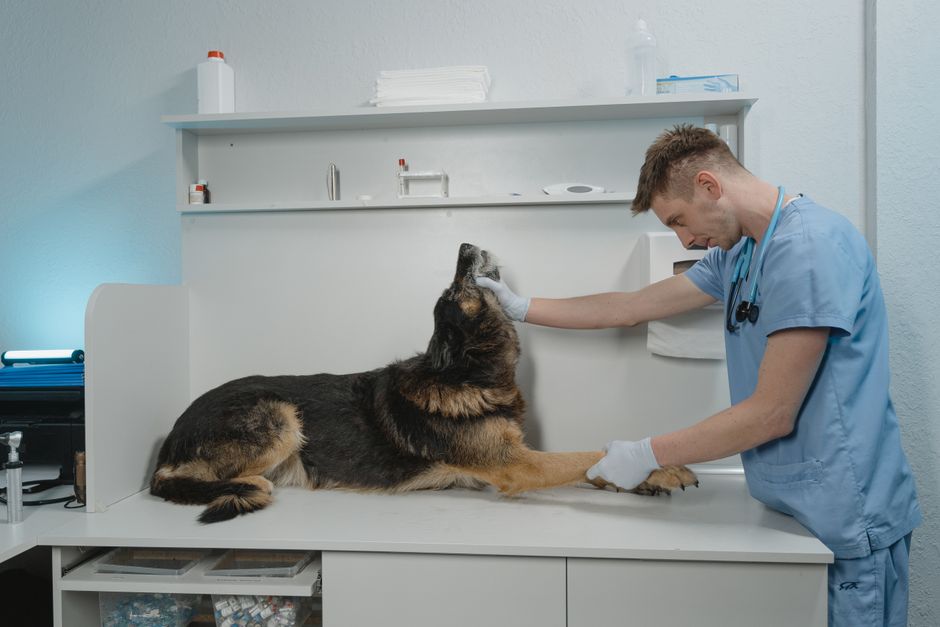
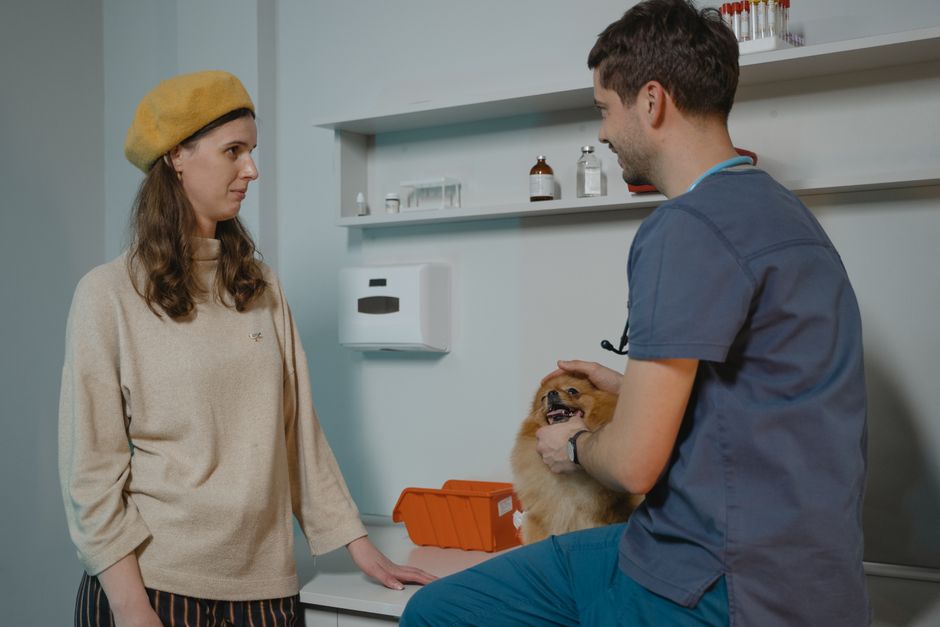
For companion animals, our veterinarians offer everything from comprehensive wellness examinations and routine vaccinations to dental cleanings and senior pet care. These services help pets thrive at home and detect health issues early.
For horses, our clinic provides annual soundness exams, dental floating, routine vaccines, and emergency care for injuries or colic. Our equine veterinary care addresses both performance horses and pleasure companions, focusing on long-term health, laminitis prevention, and parasite control.
For livestock producers, the value of a veterinarian who understands herd health cannot be overstated. Services like cattle vaccines, pregnancy palpations, brucellosis testing, and general medicine for livestock are tailored to local production cycles and disease risks. Whether you’re managing breeding herds, preparing for weaning, or planning for export, our team is equipped to help safeguard your operation’s success.
Factors That Impact Animal Health in South Texas
The Laredo area’s unique climate and agricultural environment shape animal health risks throughout the year. For pets, hot summers increase the risk of heatstroke, dehydration, and tick or flea infestations. Dogs and cats spending time outdoors may be exposed to foxtails, snake bites, and heartworm-carrying mosquitoes.
Horses in South Texas face challenges such as sand colic during dry spells, hoof abscesses after sudden rains, and seasonal allergies. Horses on pasture may develop obesity or laminitis in spring, while water intake becomes a concern during winter’s cooler months.
For livestock, the regional climate means parasite loads can fluctuate dramatically. Spring rains often trigger an increase in internal parasites, while the dry season can lead to nutritional stress and higher risk of respiratory disease. Local cattle herds are vulnerable to diseases such as brucellosis and trichomoniasis if not monitored and vaccinated appropriately. Understanding these regional risk factors is essential for effective herd management and animal welfare.
Comprehensive Treatment and Management for Every Animal
Treatment approaches vary widely between pets, horses, and livestock, but the goal remains the same—restore health, minimize suffering, and support long-term wellbeing.
For pets, treatment may involve prescription medications, dental procedures, wound care, or advanced diagnostics. Our veterinarians use in-house imaging and laboratory testing to quickly diagnose and treat problems, from skin allergies to orthopedic injuries. In urgent cases, emergency surgical care is available to address life-threatening conditions.
Horse care often requires a hands-on approach, with services like dental floats to prevent quidding, joint injections for lameness, or intravenous fluids for colic management. In cases of acute lacerations or infections, prompt veterinary intervention can prevent complications and speed recovery.
For livestock, herd health management includes deworming protocols, vaccination schedules, and reproductive services such as cattle palpations or bull breeding soundness exams. Sick or injured animals may require on-farm medication, laceration repair, or supportive care for conditions like pneumonia or calving difficulties. Our veterinarians work alongside producers to make practical, cost-effective decisions that support both animal health and business sustainability.
Preventive Care: The Foundation of Year-Round Health
Preventive care is at the heart of mixed-animal veterinary practice. For pet owners, this means regular wellness exams, up-to-date vaccines, dental cleanings, parasite prevention, and nutritional counseling. Keeping vaccinations current and addressing issues like obesity or dental disease early can add years of quality life for dogs and cats.
Horse owners benefit from annual soundness exams, vaccination against core and regional diseases, dental floating, and consistent parasite control. Monitoring body condition and adjusting feed according to seasonal pasture quality are vital steps in preventing metabolic and laminitic problems.
For livestock producers, preventive care involves maintaining a consistent vaccination program, regular deworming based on FAMACHA scoring or fecal testing, and seasonal health checks for the herd. Steps such as providing clean water, minimizing crowding, improving ventilation, and practicing good biosecurity help prevent outbreaks of disease and reduce overall veterinary costs.
When to Call Your Mixed-Animal Veterinarian
Knowing when to reach out for professional help can make a critical difference in outcomes for all your animals. For pets, seek prompt veterinary care if you notice persistent vomiting or diarrhea, difficulty breathing, unresponsiveness, or sudden changes in behavior. Any wounds, unexplained pain, or signs of heatstroke require immediate attention.
Horse owners should contact a veterinarian for suspected colic, lameness, wounds, choke, or if a horse is not eating, drinking, or acting normally. Equine emergencies often demand rapid intervention to prevent serious complications.
Livestock producers are encouraged to call for veterinary support if animals are off feed, show signs of respiratory distress, experience calving or lambing difficulties, display sudden lameness, or if multiple animals in the herd exhibit similar symptoms. Early intervention not only improves prognosis but also helps limit the spread of infectious diseases within the herd.
Our team at Rio Grande Veterinary Clinic offers both in-clinic appointments and mobile farm visits, ensuring that whether your animals are at home, in the barn, or out on pasture, you have access to trusted care when you need it.
The Benefits of a Local Mixed-Animal Veterinarian in Laredo
Relying on a veterinarian who knows your animals, your operation, and the unique conditions of Laredo and the surrounding communities offers significant advantages. Our team builds ongoing relationships with owners and producers, tracking each animal’s health over time and providing tailored advice for every stage of life and production.
For pet owners, this means having a familiar face you can trust for everything from puppy and kitten care to senior wellness. For horse owners and livestock producers, it means access to veterinary professionals who understand local disease trends, climate pressures, and the economic realities of animal agriculture in South Texas.
By bringing together expertise in companion animal medicine, equine care, and herd health management, Rio Grande Veterinary Clinic is uniquely positioned to help your animals thrive, season after season.
Trust Rio Grande Veterinary Clinic for Year-Round Animal Health
Your animals deserve a veterinarian who can provide comprehensive, compassionate care—whether they share your home, your barn, or your pastures. At Rio Grande Veterinary Clinic, our team of veterinarians is committed to supporting the health and wellbeing of pets, horses, and livestock throughout Laredo and surrounding communities.
If you have questions about preventive care, need to schedule a wellness exam, or want to discuss herd health strategies, we invite you to contact us for an appointment or a mobile farm visit. Discover why so many owners, producers, and equestrians trust their animals to our care.
For more information about wellness examinations for pets, equine veterinary care, or our cattle vaccination services, visit our website or call (956)-508-8900. When searching for a veterinarian near me in Laredo, our clinic is here to help you and your animals every step of the way.
All medical information provided in this blog is for educational purposes only and should not replace a professional veterinary examination. Please contact our veterinary team if you have specific concerns about your animals’ health.