Goat Hoof Trimming and FAMACHA Scoring: What to Expect

Goat Hoof Trimming and FAMACHA Scoring: What to Expect
Caring for your goats is more than just providing food and shelter; it also involves proactive steps to keep them healthy and thriving. Among the most essential routine tasks for goat owners in Laredo and surrounding communities are regular goat hoof trimming services and FAMACHA scoring for goats. These two services play a critical role in preventing lameness, reducing pain, and monitoring for anemia, especially in our warm Texas climate where parasite loads and hoof issues can rapidly affect herd health. At Rio Grande Veterinary Clinic, located at 3311 East Del Mar Blvd Suite 201, Laredo, TX 78041, we understand the unique challenges local goat owners face. Our veterinary professionals are dedicated to providing comprehensive, community-focused care that keeps your herd sound and productive.
In this blog, we will explore why goat hoof trimming services and FAMACHA scoring for goats are vital for your animals, what these services involve, signs that your goats may need attention, and when to schedule an appointment with our experienced team. Whether you are searching for the best “vet near me” for your goats or want to know more about preventive herd management in Laredo, our goal is to empower you with knowledge and support. You can also learn about our Goat Hoof Trims and FAMACHA Scoring services, which are designed for the specific needs of goat owners in our region.
Recognizing Hoof and Anemia Problems in Your Goats
Being able to identify early signs of hoof issues and anemia can make a substantial difference in your goat’s comfort and overall herd productivity. Key symptoms of hoof problems include limping, reluctance to walk, standing or moving gingerly, swelling around the hoof, foul odors, or visible cracks and overgrowth. You might also notice your goat spending more time lying down or showing less interest in grazing.
When it comes to anemia, which is often linked to internal parasites like the barber pole worm in our area, warning signs to watch for are pale inner eyelids, weakness, weight loss, decreased appetite, and in severe cases, bottle jaw or swelling under the jaw. A goat that seems suddenly lethargic or is lagging behind the rest of the herd could be giving you early clues that a health issue is developing.
If you keep a mixed-age herd, remember that younger goats, pregnant does, and older animals are often more susceptible to hoof overgrowth and anemia. Seasonal factors such as the rainy spring or fall months in Laredo can also increase risk, as wet conditions soften hooves and boost parasite levels. Whenever you spot these changes, prompt attention can prevent more serious issues from developing.
Why Do Hoof and Anemia Issues Occur in Laredo Goats?
Understanding the root causes of hoof and anemia problems will help you take action before issues escalate. Hoof overgrowth occurs when goats are not naturally wearing down their hooves on rocky or rough terrain, which is often the case on softer pasture or in pens with little variation in ground surface. As the hoof grows unchecked, it can curl, trap dirt and bacteria, and lead to infections such as foot rot. In our South Texas climate, sudden rain followed by dry spells can cause hooves to soften, then crack, increasing risk for lameness.
Anemia in goats is most commonly caused by internal parasites, with the barber pole worm (Haemonchus contortus) being a frequent culprit in our region. This parasite feeds on blood in the stomach, leading to reduced red blood cell counts and, if left untreated, severe illness or even death. The hot, humid summers in Laredo and surrounding areas provide ideal conditions for parasite eggs to survive on pasture, making routine monitoring and timely intervention essential.
Other factors that contribute to these health concerns include poor nutrition, overcrowding, and infrequent herd checks. Goats that aren’t receiving a balanced diet or that are kept in damp, unclean environments are at higher risk for both hoof and parasitic problems. Regular preventive care, including Fecal Testing, plays an important role in identifying and managing these risks.
How Professional Goat Hoof Trimming Services and FAMACHA Scoring for Goats Work
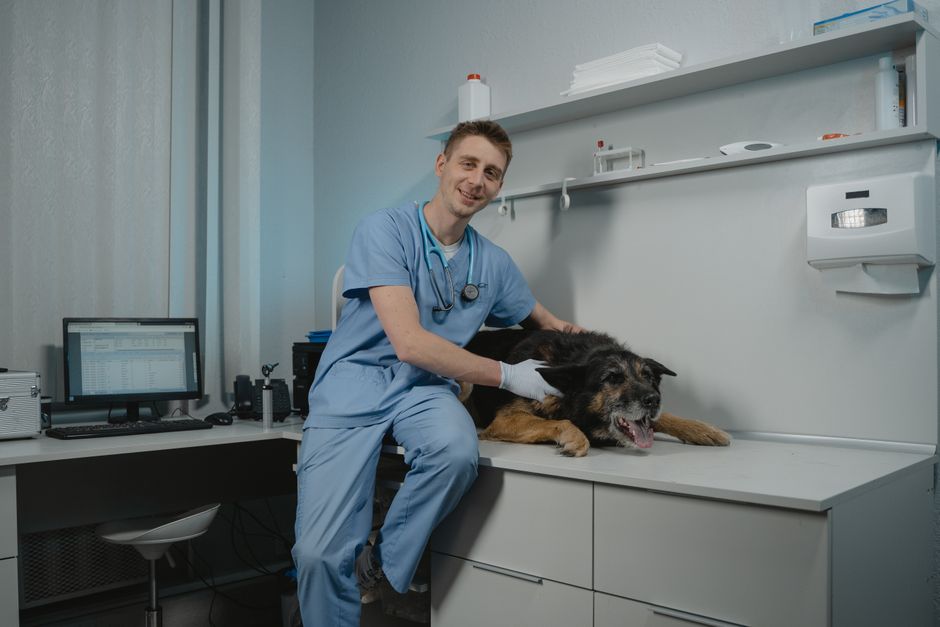
When you schedule goat hoof trimming services in Laredo at Rio Grande Veterinary Clinic, our team of veterinarians uses careful, humane techniques to ensure your goats’ hooves are trimmed to the right shape and length. The process involves cleaning the hoof, assessing for any signs of infection or abnormality, and trimming away excess growth. If needed, we address minor infections or advise on further treatment. This hands-on approach not only prevents lameness but also provides an opportunity for early detection of other health issues.
For FAMACHA scoring for goats, our veterinary professionals use a color chart to assess the inner eyelid color of each goat, which gives a reliable indication of anemia severity. This quick, non-invasive system helps us determine which goats may need targeted deworming and which are healthy, supporting sustainable parasite management while reducing the risk of drug resistance. If anemia is detected, our team may recommend additional diagnostics such as Fecal Testing or discuss Livestock Deworming options, tailored to the specific parasite pressures in your herd.
During your visit, our veterinarians will explain what they are seeing, answer your questions, and provide practical recommendations for ongoing care. For goat owners in Laredo, having a trusted veterinary team handle these routine procedures means peace of mind and a healthier, more productive herd.
Home Care and Prevention: Keeping Your Herd Healthy Between Visits
While professional goat hoof trimming services in Laredo are essential, there are important steps you can take at home to maintain your goats’ hoof and overall health. Regularly observe your herd for early signs of lameness or changes in behavior, especially after periods of wet weather or heavy grazing. Providing access to rocky or abrasive surfaces in your pasture can help naturally wear down hooves, although most goats in our area still require routine trimming.
For parasite control, rotating pastures, removing manure frequently, and avoiding overstocking are key management strategies. Monitoring your goats’ eyelid color between veterinary visits using the FAMACHA guide, if you have been trained to do so, can help catch early cases of anemia. However, always consult with your veterinarian before making decisions about deworming, as inappropriate use can lead to resistance and future problems.
A balanced diet with appropriate minerals supports hoof growth and immune function. Make sure fresh water is always available, and adjust feeding practices as needed for pregnant does, young kids, and seniors. If you need advice on nutrition or preventive care, our veterinary team can guide you during scheduled wellness appointments.
When to Schedule Goat Hoof Trimming Services and FAMACHA Scoring in Laredo
Knowing when to seek help from a veterinarian is crucial for the long-term health of your goats. Schedule an appointment for goat hoof trimming services in Laredo if you notice overgrown hooves, limping, or signs of discomfort. Even if your goats appear healthy, routine trims every 6 to 8 weeks are recommended for most herds in our region.
For FAMACHA scoring for goats, regular assessments are vital during peak parasite seasons, which for Laredo usually means spring through early fall. If you observe pale eyelids, weakness, or any sudden changes in your goats’ condition, contact our veterinary team promptly. Addressing these issues early can prevent more serious complications and help protect the rest of your herd.
Remember that timely veterinary intervention can make all the difference when managing herd health. Whether you are new to goat ownership or have years of experience, working with a trusted local veterinary team ensures your animals receive the best possible care. Our Livestock General Medicine services are also available for broader health concerns that may arise.
Your Local Partner for Goat Wellness in Laredo
At Rio Grande Veterinary Clinic, we are committed to supporting goat owners in Laredo and surrounding communities with expert, compassionate care. By prioritizing regular goat hoof trimming services and FAMACHA scoring for goats, you help safeguard your herd against common and preventable health issues. Our team of veterinarians is here to provide guidance, answer your questions, and deliver the hands-on support your animals deserve.
If you are searching for a “vet near me” who understands the needs of local goat owners, look no further. Schedule an appointment for goat hoof trimming services in Laredo or ask about our FAMACHA scoring for goats by calling (830) 203-0586 or visiting us at 3311 East Del Mar Blvd Suite 201, Laredo, TX 78041. For more information on our preventive care offerings, explore our Goat Hoof Trims and FAMACHA Scoring services.
Let us help you build a healthier, more resilient herd—schedule your next visit with our veterinary professionals and experience the difference that dedicated, community-focused care can make for your goats.
This blog is intended for informational purposes only and is not a substitute for professional veterinary advice. Always consult with your veterinarian regarding your animals’ specific health needs.