Spring Pet Safety Tips From Your Laredo Vet

Spring Pet Safety Tips From Your Laredo Vet
As spring arrives in Laredo, the longer days and warmer temperatures invite us—and our pets—outdoors for new adventures. Alongside the beauty of blooming landscapes and fresh air, the season also brings unique challenges for pet and livestock owners. At Rio Grande Veterinary Clinic, your trusted laredo vet conveniently located at 3311 East Del Mar Blvd Suite 201, Laredo, TX 78041, we want you to feel confident about keeping your animals protected from the risks that spring presents. This guide will help you recognize seasonal dangers, prevent health problems, and know when to seek expert care for your dogs, cats, and livestock. Whether you are preparing your pet for outdoor fun or ensuring your farm animals are healthy, our veterinary team is here to help you every step of the way.
In the following sections, we will discuss the most common springtime hazards in Laredo, from dehydration and heat stress to parasites and toxic plants. You will find practical advice tailored to the needs of both household pets and livestock, along with guidance on when a wellness examination or preventive service can make all the difference. If you want to learn more about protecting your pets throughout the year, our comprehensive pet exams are designed to support seasonal safety and health.
Recognizing Springtime Risks for Pets and Livestock
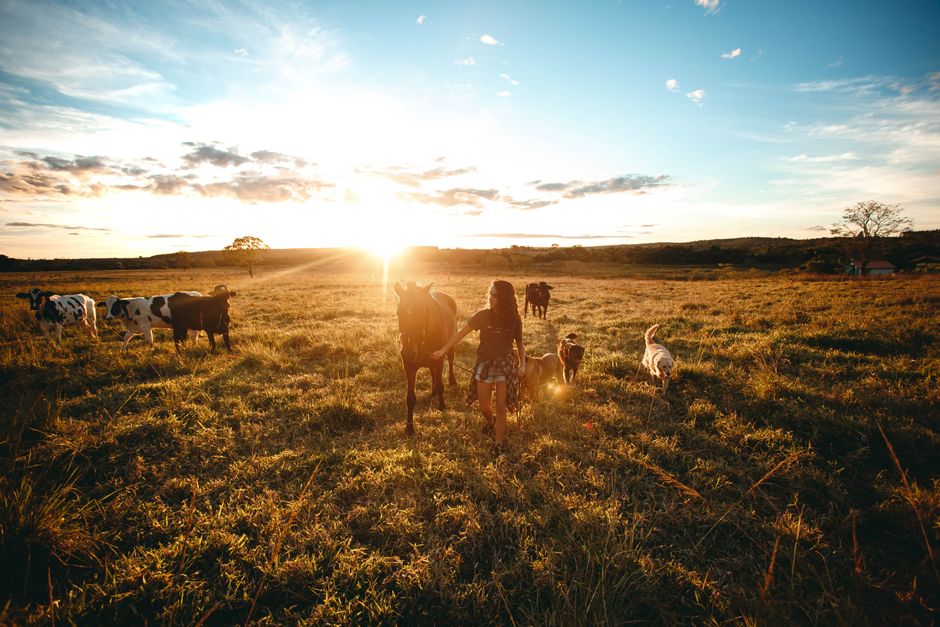
Spring in Laredo brings a mix of pleasant weather and environmental changes that can affect animals in different ways. As a laredo vet, we often see a rise in certain health issues during this season. For pets, the most common problems include heat exhaustion, dehydration, pest infestations, and accidental ingestion of plants or chemicals. Livestock, on the other hand, may face risks from infectious diseases, increased parasite activity, and changing pasture conditions.
Warning signs that your pet might be facing spring-related health issues vary depending on the problem. For heat stress, symptoms include excessive panting, drooling, lethargy, vomiting, or collapse in dogs and cats. Livestock such as cattle or horses may show signs of weakness, rapid breathing, or reluctance to move if they are overheated. Pest-related issues—such as fleas, ticks, or biting flies—can cause itching, hair loss, and irritated skin in pets, while livestock may develop sores, anemia, or weight loss.
When it comes to toxic exposures, be aware of sudden vomiting, diarrhea, tremors, or difficulty breathing, as these could indicate your pet has ingested a poisonous plant or chemical. Early recognition of these signs is crucial, as quick intervention can prevent more serious complications.
Why Spring Brings Unique Hazards in Laredo
Understanding why spring is a high-risk time for animal health starts with our local climate and environment. Laredo’s temperatures can rise quickly, sometimes catching pet owners off guard. The combination of heat and humidity increases the risk of dehydration and heat-related illnesses, especially for animals who spend time outdoors. Dogs and cats are particularly vulnerable because they cannot cool themselves as efficiently as humans, and livestock may struggle to find adequate shade or water in changing pastures.
The return of warm weather also means the resurgence of pests. Fleas, ticks, and mosquitoes become more active as temperatures climb. These parasites not only cause discomfort but also spread diseases such as heartworm, Lyme disease, and tick-borne fevers. For livestock, internal parasites like worms become more prevalent in spring, especially when rainfall increases pasture moisture.
Spring is also a time when many people use fertilizers, herbicides, and pesticides in their yards and gardens. Curious pets may ingest or come into contact with these substances, leading to accidental poisonings. Additionally, certain flowering plants that bloom in spring can be toxic to animals if eaten, with lilies and sago palms posing particular dangers for dogs and cats.
How Your Laredo Vet Can Help: Treatment and Prevention
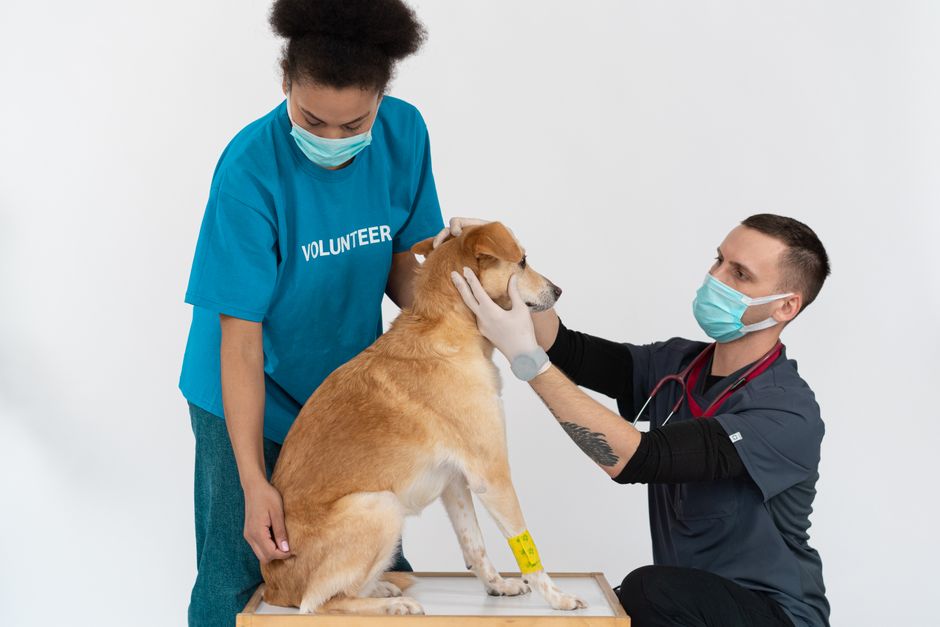
Our veterinary professionals at Rio Grande Veterinary Clinic are dedicated to keeping your pets and livestock healthy through comprehensive care. When you bring your animal in for a wellness examination, we assess their overall health and help you identify risks unique to the spring season. Treatment for spring-related issues depends on the specific problem.
For heat exhaustion or dehydration, immediate cooling and fluid therapy are often required. Our team will monitor vital signs, provide intravenous fluids if necessary, and recommend strategies for preventing future episodes. In cases of pest infestations, we offer safe and effective parasite control options tailored to your animal’s needs. This may include topical or oral preventives for dogs and cats, as well as livestock deworming and fly control programs. You can learn more about our approach to livestock deworming and preventive parasite management by visiting our service page.
If your pet has ingested a toxic substance or plant, we will perform diagnostic tests to determine the best course of action. Treatments may involve inducing vomiting, administering activated charcoal, or providing antidotes and supportive care, depending on the toxin involved. For livestock, we offer disease screening and vaccination services to protect against infectious threats that become more prominent during spring.
Vaccinations play a crucial role in preventing many seasonal illnesses. Our pet vaccination services are designed to keep your dogs and cats protected from diseases such as rabies, distemper, and leptospirosis. For cattle, horses, and goats, our livestock and farm animal vaccination programs help safeguard the entire herd or flock from contagious diseases that can spread quickly as temperatures rise.
Spring Safety at Home: Practical Tips for Pet Owners
There are several steps you can take at home to protect your animals this spring. Always provide access to fresh, clean water and ensure your pets and livestock have shaded areas to escape the heat. Never leave animals in parked vehicles, even for a few minutes, as temperatures can become dangerously high in a short time.
Keep grass trimmed and remove standing water where mosquitoes can breed. Use pet-safe flea and tick preventives as recommended by your veterinarian, and check your pets for pests after outdoor activities. For livestock, rotate pastures when possible to minimize parasite loads and monitor for signs of illness or weight loss.
When working in your yard or garden, store chemicals and fertilizers out of reach and be cautious about which plants you add to your landscape. If you are unsure whether a plant is safe for your pets, ask your veterinarian for advice. For families with senior animals, keep in mind that older pets are more vulnerable to heat stress and may require extra attention during warm days. Our senior pet care services can help you create a seasonal wellness plan that addresses the unique needs of aging dogs and cats.
Regular checkups are one of the best ways to catch potential problems early. Scheduling a spring wellness examination allows our veterinary team to assess your animal’s health and offer personalized recommendations for parasite prevention, diet, and exercise.
When to Contact Your Laredo Vet for Springtime Concerns
Knowing when to seek veterinary care can make all the difference for your pet’s recovery. If you notice signs of heat exhaustion such as heavy panting, drooling, confusion, or collapse, contact your laredo vet immediately. For livestock, rapid breathing, excessive salivation, or difficulty standing are also urgent warning signs.
If you observe persistent scratching, hair loss, or sores that do not heal, your pet may be suffering from a parasite infestation or skin infection. Vomiting, diarrhea, tremors, or sudden lethargy after being outdoors could indicate poisoning or a reaction to a toxic plant. In these situations, professional evaluation is crucial; do not wait for symptoms to improve on their own.
We encourage you to call us for guidance if you are ever unsure whether your pet’s symptoms require attention. Our veterinary professionals are happy to answer your questions and recommend next steps. Scheduling regular wellness examinations and staying up to date on vaccinations can help prevent many seasonal health problems before they begin.
Spring Into Action: Schedule Your Pet’s Seasonal Checkup Today
Spring is a wonderful time to enjoy the outdoors with your pets and livestock, but staying proactive about their health will keep them happy and safe all season long. At Rio Grande Veterinary Clinic, your laredo vet serving Laredo and surrounding communities, we are committed to providing the guidance and care you need for every animal in your family. Our veterinary team is here to help you navigate the unique challenges of spring with expert advice, preventive services, and compassionate support.
If you are searching for a vet near me who truly understands the needs of pets and livestock in our region, look no further. To schedule your spring wellness examination, vaccination, or parasite consultation, call us today at (830) 203-0586 or visit our clinic at 3311 East Del Mar Blvd Suite 201, Laredo, TX 78041. For more tips on seasonal pet safety and health, explore our veterinary blog. Together, let us make this spring a safe and joyful time for your animals.
Medical Disclaimer: The information in this blog is for educational purposes only and does not replace professional veterinary advice. If your pet is experiencing symptoms or you have concerns about their health, please schedule a consultation with your veterinarian.